Walking & Training How-to
Dog Won’t Pee on a Leash? How to Teach Leash Potty Breaks
Short answer
Usually a dog who won’t pee on a leash has never had to, or the leash, traffic or new ground makes them hold it. Walk them on a harness and slack leash to one quiet spot at likely times, stand still, and reward right there when they finish. If the change is sudden or your dog strains, see your veterinarian first.
Why some dogs won’t pee on a leash
Before they pee, many dogs sniff around, circle and pick their spot. A leash, a person standing close and a busy street all get in the way of that ritual, and a dog who has never practiced will often just wait. The usual reasons:
- They’ve never had to. A dog raised with a yard, let out the back door, kept in a kennel run or living as a stray learned to go off leash, on their own terms. Peeing on a walk is a new skill, and holding it is the fallback.
- The leash gets in the way. A short or tight leash tugs as they circle, and having you right beside them is enough to make some dogs hold on.
- The spot is too busy or too new. Traffic, people and other dogs keep a wary dog on alert, and a new neighborhood doesn’t smell like home.
- The ground feels wrong. The AKC’s advice on changing a dog’s bathroom habits notes that a dog who learned to go on one surface, such as a concrete sidewalk, may balk at another, such as a lawn.
- Peeing ends the outing. If every trip has gone straight back inside the moment they go, some dogs learn to hold it and keep sniffing.
- They were scolded for accidents. The AKC’s guide to housetraining an adult dog warns that a frightened or punished dog may become afraid to potty in front of you and sneak off to go somewhere else.
This page is about adult dogs. A puppy still learning the basics needs a housetraining plan, like the one in our guide to potty training a puppy in winter, and a dog who plants their feet and won’t move at all is covered in why a dog refuses to walk.
Rule out a medical reason first
A dog who suddenly stops peeing on walks, or has trouble peeing anywhere, needs a veterinarian before a training plan. Call your vet if your dog:
- strains, whimpers, or squats or lifts a leg again and again with little coming out;
- has blood in the urine, dribbles, or keeps licking the genital area;
- starts having accidents indoors after being reliably housetrained;
- drinks or pees much more than usual, or goes much longer than usual without peeing;
- seems stiff or sore getting into position, or seems unwell in other ways.
Safety note
If your dog strains and passes little or no urine, call a veterinarian right away. VCA’s page on bladder stones in dogs notes that a complete urinary blockage is life-threatening and needs emergency treatment.
If none of these apply, or your vet has given the all-clear, the rest is training. If something changes partway through, such as new straining or a sudden run of accidents, go back to the vet rather than waiting it out.
Get the gear and the spot right
A harness, not a collar
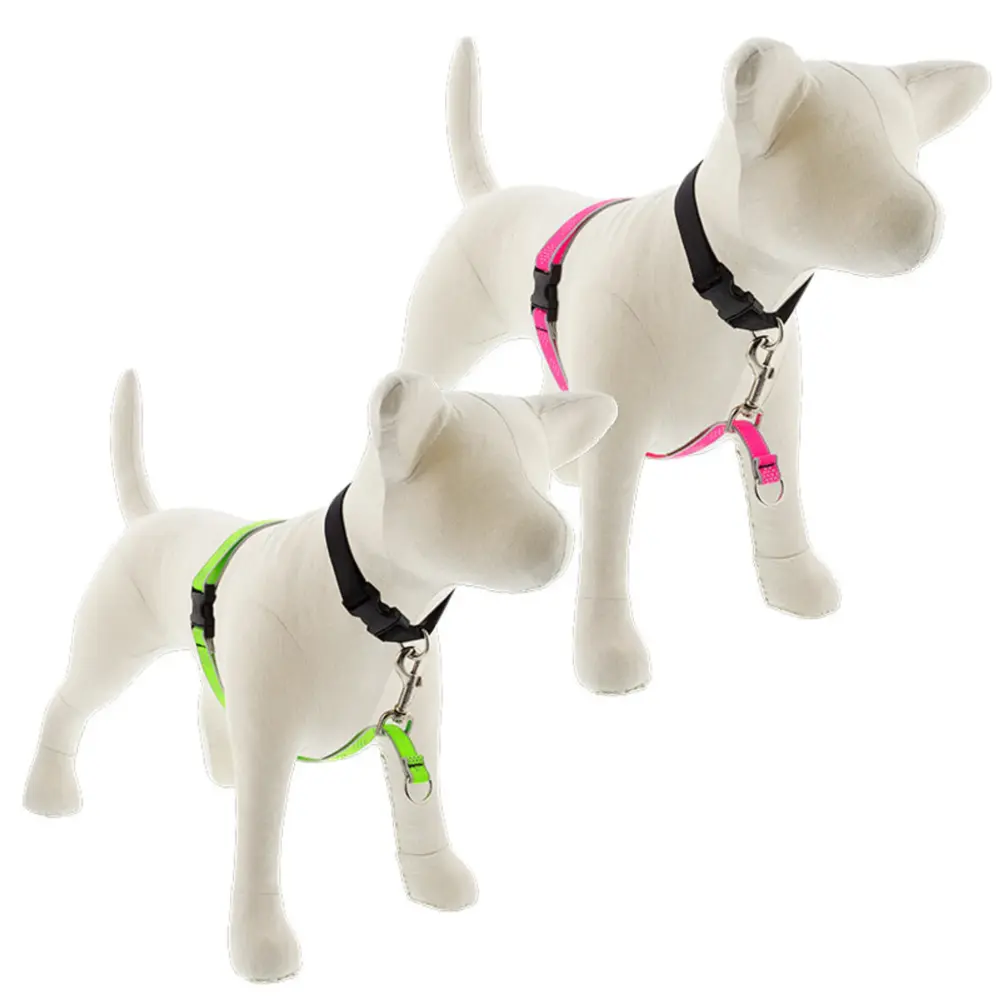
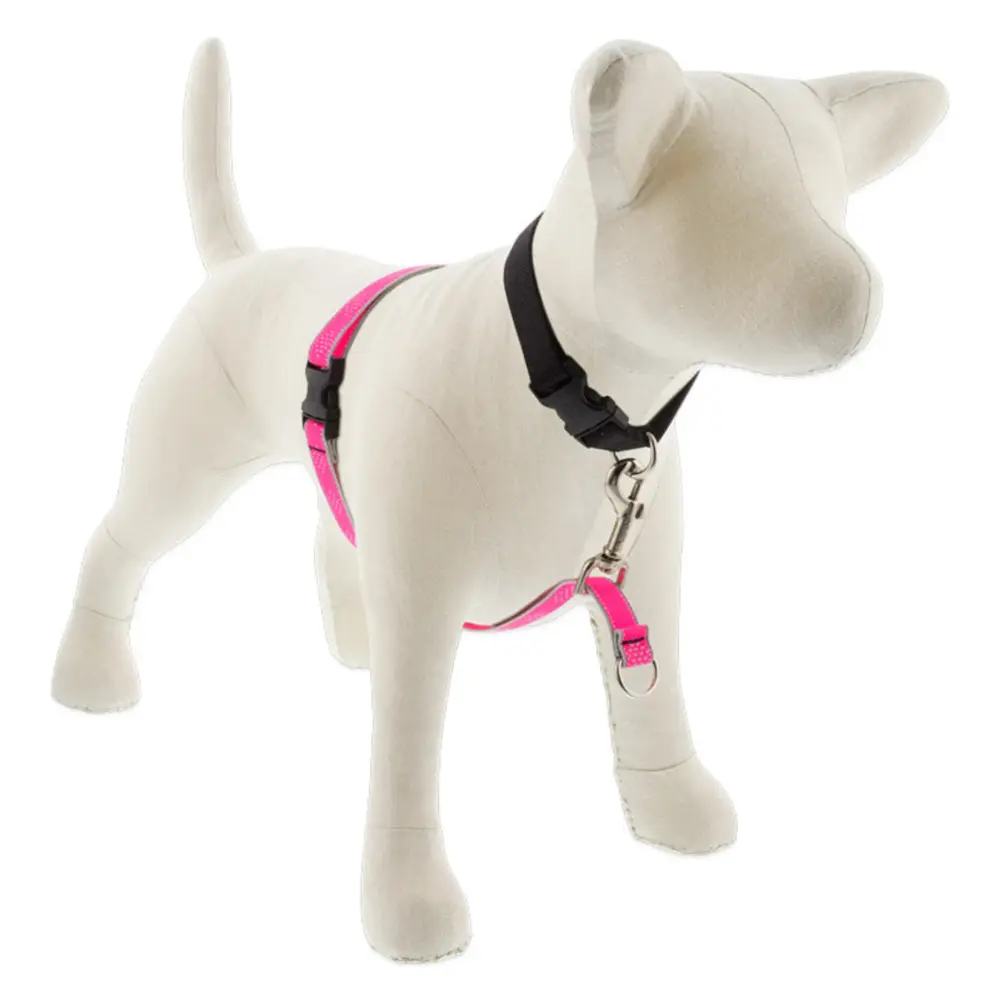
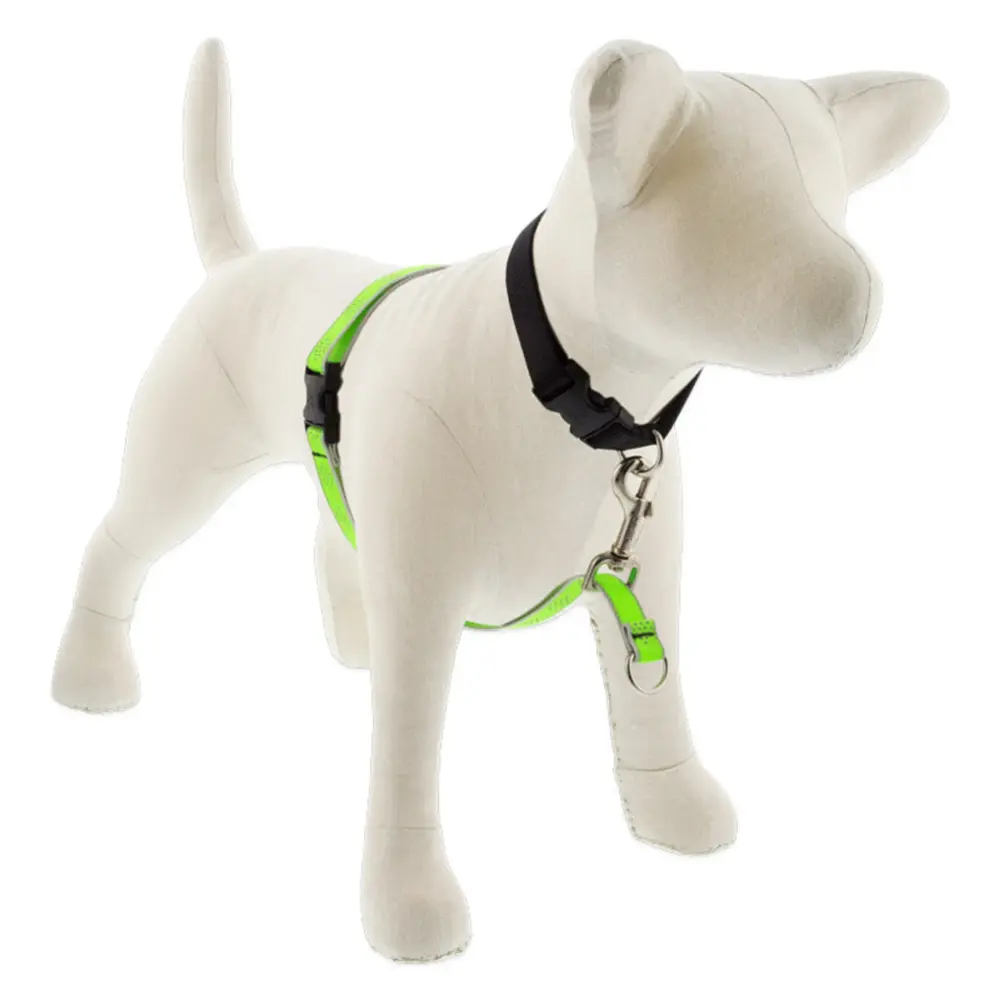
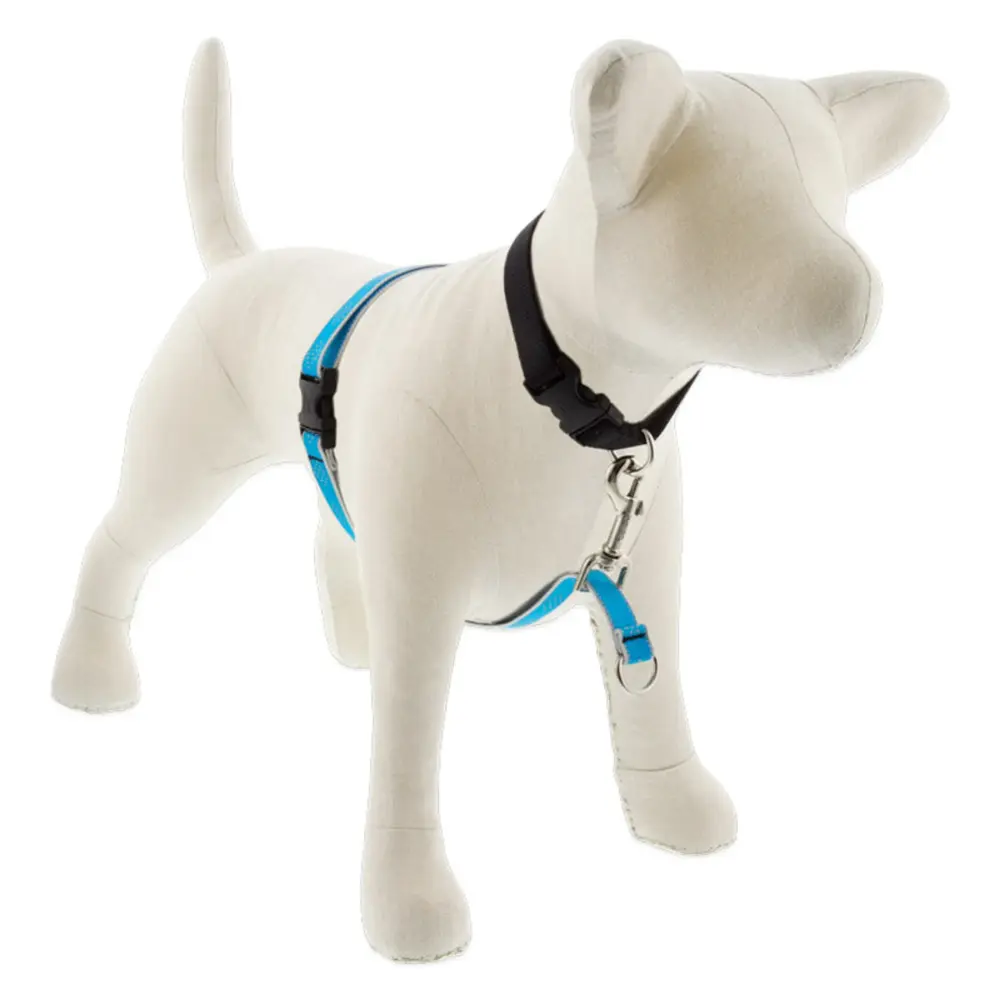
Clip the leash to a well-fitted harness. A dog who is sniffing and circling will reach the end of the leash now and then, and on a collar every one of those tugs lands on the neck; a harness spreads it across the chest. Check that two fingers slide flat under each strap and that nothing rubs behind the front legs. If your dog drags you to the spot, the leash is never slack when it matters, and a front-clip harness can help a medium or large dog who pulls while you teach a looser leash.
-
Mr. Peanut’s
PetTrek Padded Harness and Leash Set, Choose size & color
Price range: $24.95 through $26.95
Why it fits: A padded harness with its own leash, so a snag as your dog circles pulls on the chest, not the neck. Sizes XS to L; measure the chest first.
-
Lupine Pet
Reflective No-Pull Dog Harness, Choose size & design
Price range: $41.95 through $45.95
Why it fits: Redirects pulling on the way to the potty spot, for medium and large dogs only, 16 to 38 in girth. Clips to your own collar and leash.


Slack, distance and a boring handler
Hold the leash loosely and give your dog its full length. Stand at the far end, turn a little sideways and look away: plenty of dogs won’t go while someone stands over them or watches. Save the chatter for afterward. If you own a long, lightweight training line, it can give a shy dog more room in a quiet, open place, but keep the leash short anywhere near traffic. A retractable leash keeps a light pull on the line the whole time, which some dogs notice.
One quiet spot, close to home
Pick a spot a minute or two from your door, away from cars and foot traffic, on the kind of ground your dog already uses if you can. Use the same door, route and spot every time. VCA’s housetraining advice is to go out with your dog on the leash, through the same door, to the same bathroom area, so the routine itself starts to signal that it’s time to go.
How to teach leash potty breaks, step by step
What you need:
- A harness that fits and an ordinary fixed-length leash.
- Small, soft treats your dog loves, kept just for potty trips, in a pocket you can reach fast.
- Bags, and somewhere for the full one. The Yucky Puppy Waterproof Poop Bag Holder clips to the leash and zips a full bag out of sight, so both hands are free for the leash and the treat.
- An enzyme cleaner for any indoor accidents, since leftover smell invites a repeat.
- A note on your phone of when and where your dog went, and how long it took.
- Start where your dog already goes. If they use the yard, go out with them on the harness and leash instead of just letting them out, as the AKC advises. Keep the leash slack and reward when they go.
- Close the gap in the yard. If they won’t go with you holding the leash, let a light leash trail from the harness in the fenced yard while you watch, then pick up the end over several trips.
- Go at the likeliest times. First thing in the morning, after meals, after naps or play, and before bed, walk straight to the spot with no detours.
- Stand still and wait. Give slack, look away and stay quiet for about five minutes. Let your dog sniff and circle rather than steering them from spot to spot.
- Reward right there. The moment they finish, praise quietly and hand over a treat at the spot, not back at the door.
- Then start the walk. Carry on with a sniffy walk or a game, so peeing begins the good part instead of ending it.
- No pee? Go in and try again soon. Keep your dog on the leash beside you, or in a crate they already know, for about 10 minutes, then go straight back to the spot.
- Move the habit outward. Once your dog goes on leash reliably in the yard or the first spot, try the front of the house, then a spot along your usual route.
No yard? Skip the first two steps. Start at the quietest spot near your door at the quietest time of day, often early morning or late evening, and expect it to take time, often days and sometimes weeks of the same routine, before your dog goes without a long wait.
Add a potty cue and reward it right away
A potty cue is a word that tells your dog it’s time to go, handy before bed, on trips and in bad weather. You teach it by capturing: at first you don’t ask for anything, you just name what your dog is already doing. The AKC’s guide to teaching a dog to potty on cue works in this order:
- Choose a word you’ll be happy saying on a busy sidewalk, such as “go potty” or “be quick.” The AKC suggests a different word for peeing than for pooping. Everyone at home should use the same words.
- Say the cue calmly only while your dog is actually peeing, then praise and treat when they’re done.
- Once your dog seems to connect the word with going, start saying it just as they begin.
- After several days or weeks, say it as you arrive at the spot, at a time you know your dog needs to go.
The reward matters as much as the word. VCA advises rewarding while you’re still outside near where your dog went, not once you’re back in; a treat at the door rewards coming inside, not peeing. Keep a small, high-value treat for this job only, and keep the praise calm so it doesn’t interrupt a dog who hasn’t finished.
Tip
A cue only works when there’s something to empty. Use it at the likely times and say it once or twice; repeated every few seconds, it turns into background noise.
New surfaces and new homes
A dog who learned on one surface can be surprisingly firm about it. A few ways to bridge the gap:
- Change the surface gradually. The AKC describes having a dog go on a single sheet of newspaper laid on the new ground, a neutral surface, then tearing off more each trip over several days until they go on the ground alone.
- Start with the closest match. For a grass-only dog, a grass strip or a patch of earth is an easier first step than bare pavement. For a dog raised on concrete, a quiet paved corner may work before a lawn does.
- Let scent help. VCA notes that the smell of urine or feces is a cue to use a place again. Clean indoor accidents thoroughly, leave your outdoor spot unscrubbed, and try a strip other dogs already use.
After a move to an apartment
The problem often starts when a dog who had a yard moves into a building. Scout the nearest grass strips and check where your building lets dogs go, then use the quiet hours for practice. Our guide to walking a dog in the city covers finding a potty spot when grass is scarce, and disposing of dog poop in an apartment covers getting the full bag home and balcony grass patches as a backup.
A newly adopted dog
For a rescue, everything is new at once: the people, the leash, the smells and the route. Keep trips short and close, use the same spot from the first day, and expect it to take longer. A startled new dog can back out of gear, so read our first walks with a rescue dog checklist for ID, a two-point leash setup and a calm route.
Rain and bad weather
Bad weather can undo a fragile habit. Keep the same spot and cue, and on cold or dark evenings choose the nearest, best-lit route to it. Our guide to walking a dog in the rain has tips for the dog who won’t step out the door when it’s wet.
Mistakes that make a dog hold it longer
- Hovering and coaxing. Standing over a shy dog or talking nonstop keeps them from settling.
- Scolding accidents. Punishment, or rubbing a nose in it, teaches a dog to hide from you to pee, not to pee outside.
- Cutting back on water. Fewer drinks won’t teach leash peeing; ask your veterinarian if you’re unsure how much your dog should drink.
- A new spot every day. One spot at the same times builds the habit faster.
- Letting your dog roam the house after a no-go trip. That’s when indoor accidents happen; keep them close and try again soon.
- Giving up after a few days. Changing a long-held habit can take weeks, and progress often shows up first as shorter waits.
When your dog still holds it
Holds it all day, then floods the yard
If you have a yard, keep using it while you train; a dog who is uncomfortable and stressed isn’t learning much. Put the leash on for yard trips too, so each one becomes leash practice, and keep up short trips to the street spot at the likely times. Don’t turn it into a contest of who gives in first. If your dog regularly goes much longer than usual between pees, or seems uncomfortable, call your veterinarian.
Waits until you’re back inside
That usually means peeing on a leash still feels wrong, or that indoors smells like the right place. Stick to the no-go routine every time, on the leash beside you or in a crate, then back out after about 10 minutes. Clean old indoor spots with an enzyme cleaner and close off a favorite rug or room for now. If you catch your dog starting to go, calmly lead them straight out to the spot and reward if they finish there.
Goes only in one spot on the walk
If your dog will go, but only at the far end of one particular block, that’s progress. Walk there first, reward, and over the following weeks try a spot a little closer to home, then another.
Weeks in and nothing has changed
Go back to your veterinarian, especially if anything about your dog’s peeing has changed, then look for a certified trainer who uses reward-based methods. A dog who trembles, freezes or panics outside may need help with the fear itself, and your vet can refer you to a veterinary behaviorist.
Related guides
-
How-to
Teaching Kids to Walk the Dog: When They’re Ready and How to Start
Your child wants to take the leash. Here’s how to tell whether your child and your dog are both ready, how to run practice walks with a backup leash, and what your child should do when the dog pulls, lunges or meets another dog.
-
How-to
How to Prepare Your Dog for a New Baby and Their First Meeting
A timeline for expecting parents with a dog: move walks, meals and attention early, set nursery and couch rules, build a retreat, practice stroller walks step by step, plan the first meeting and know when to call a trainer or behaviorist.
-
How-to
How to Wash a Dog Harness, Collar and Leash by Hand or Machine
Check the care label, then hand wash nylon webbing in warm, mildly soapy water or machine wash it in a mesh bag if the label allows. Plus leather and retractable leashes, drying without heat, smells that won’t wash out and when to replace the gear.