Walking & Training How-to
How to Prepare Your Dog for a New Baby and Their First Meeting
Short answer
Start months ahead: shift your dog’s walks, meals and attention to a routine you can keep with a newborn, set nursery rules, build a gated retreat and practice stroller walks. At homecoming, greet your dog without the baby, then let a calm, leashed dog sniff the baby’s feet for a few seconds. Never leave the two alone together.
The plan at a glance: what to do and when
The ASPCA’s guide to dogs and babies suggests introducing new sights, sounds and smells about four months before the birth and changing your dog’s routine one to two months ahead. Training should start earlier still: VCA’s advice on infants and dogs is that it begin long before the baby is born.
- Four months or more before: a veterinary checkup, a manners refresher, stroller practice and the first baby sounds and gear.
- One to two months before: the new walk, meal and sleeping routine, gates up and a dog walker or helper lined up.
- The last few weeks: someone to care for your dog during the birth and to bring home a blanket the baby has used.
- Homecoming and after: a short meeting on a leash, then constant supervision and a little one-on-one time every day.
What you’ll need
- Baby gates for the nursery doorway and your dog’s retreat.
- A crate or a quiet gated corner with a bed, water and a chew.
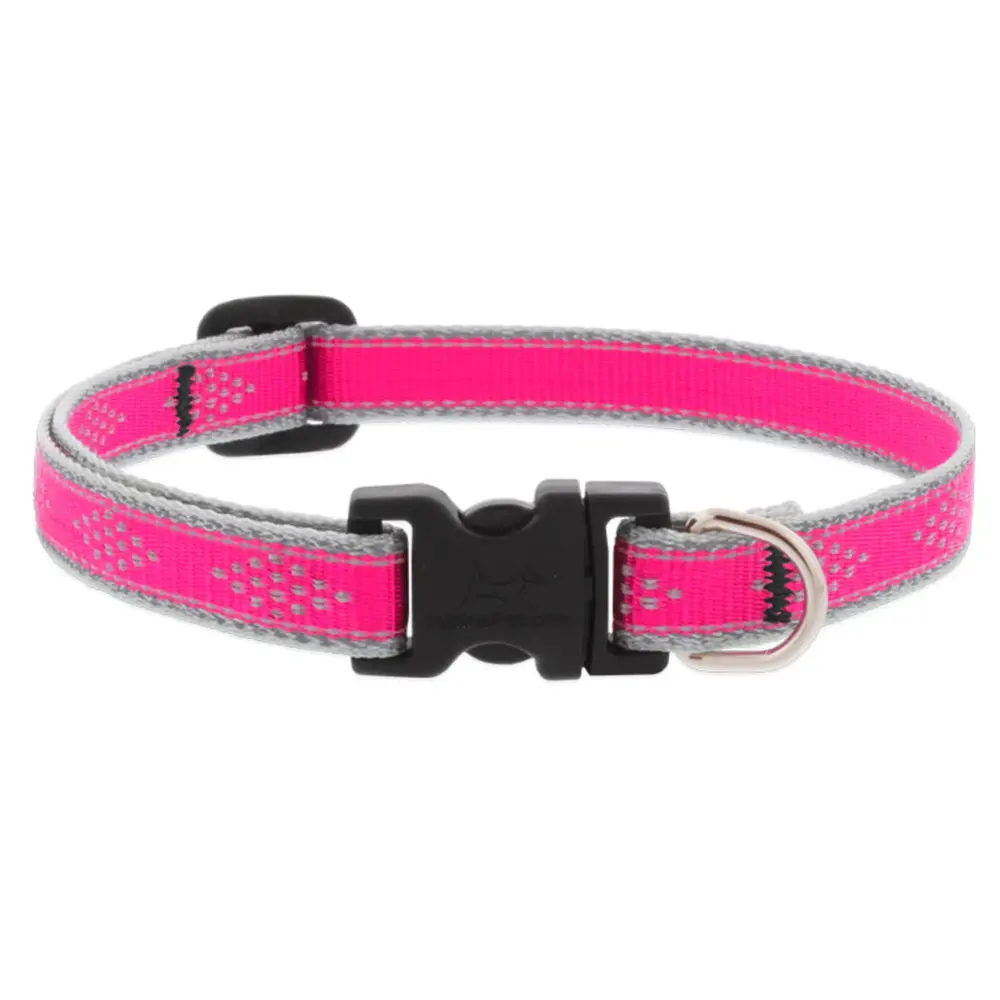
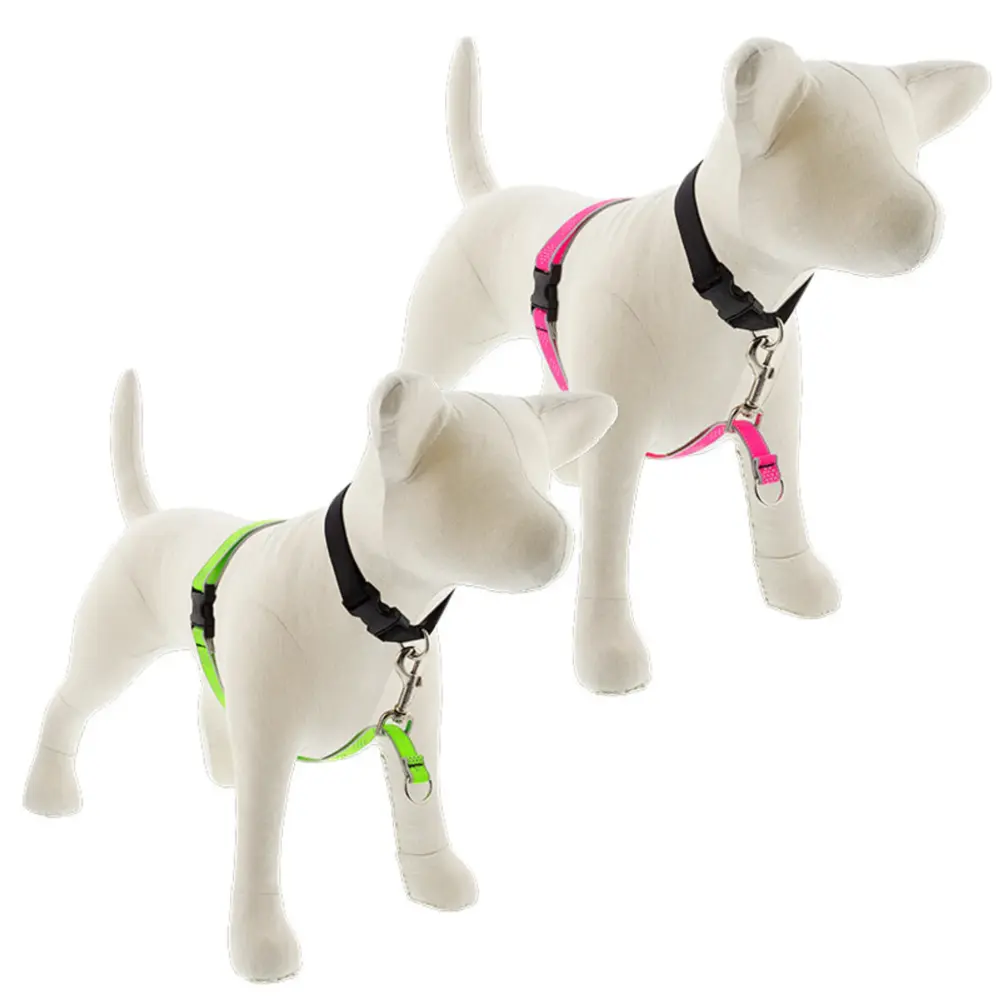
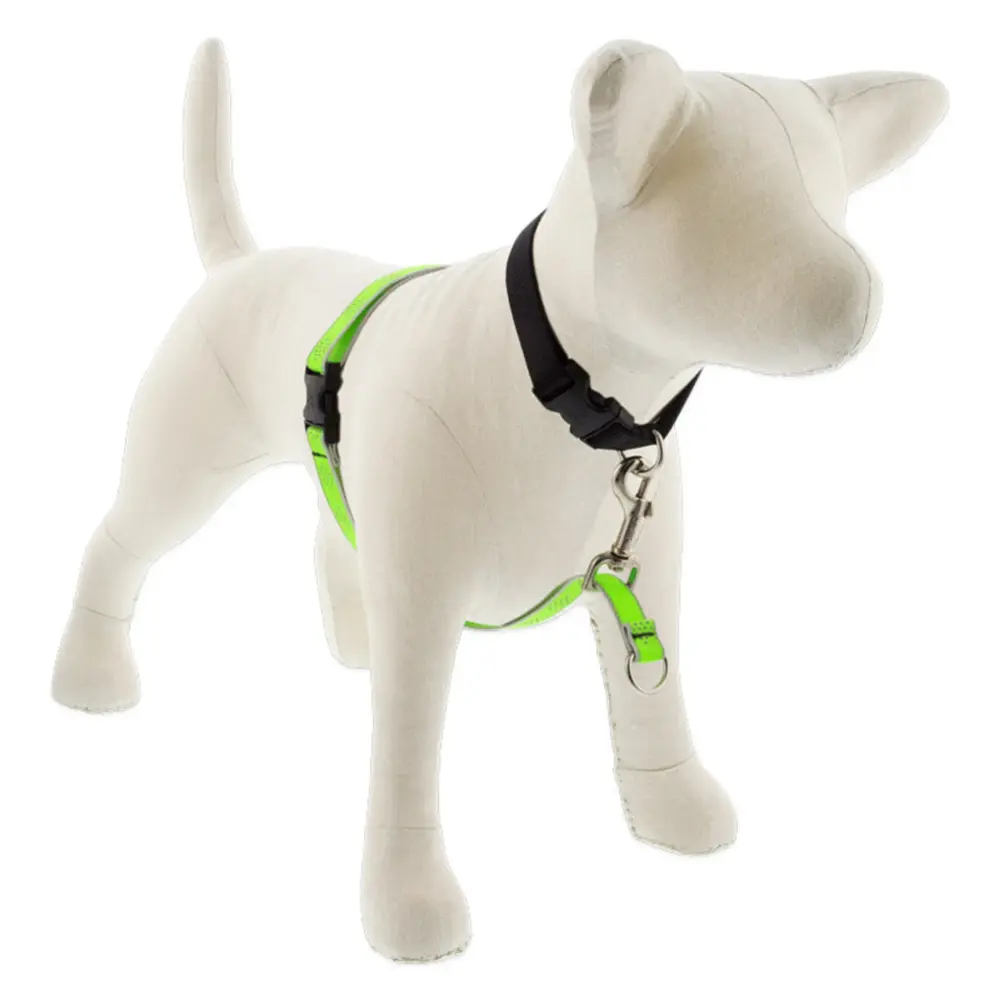
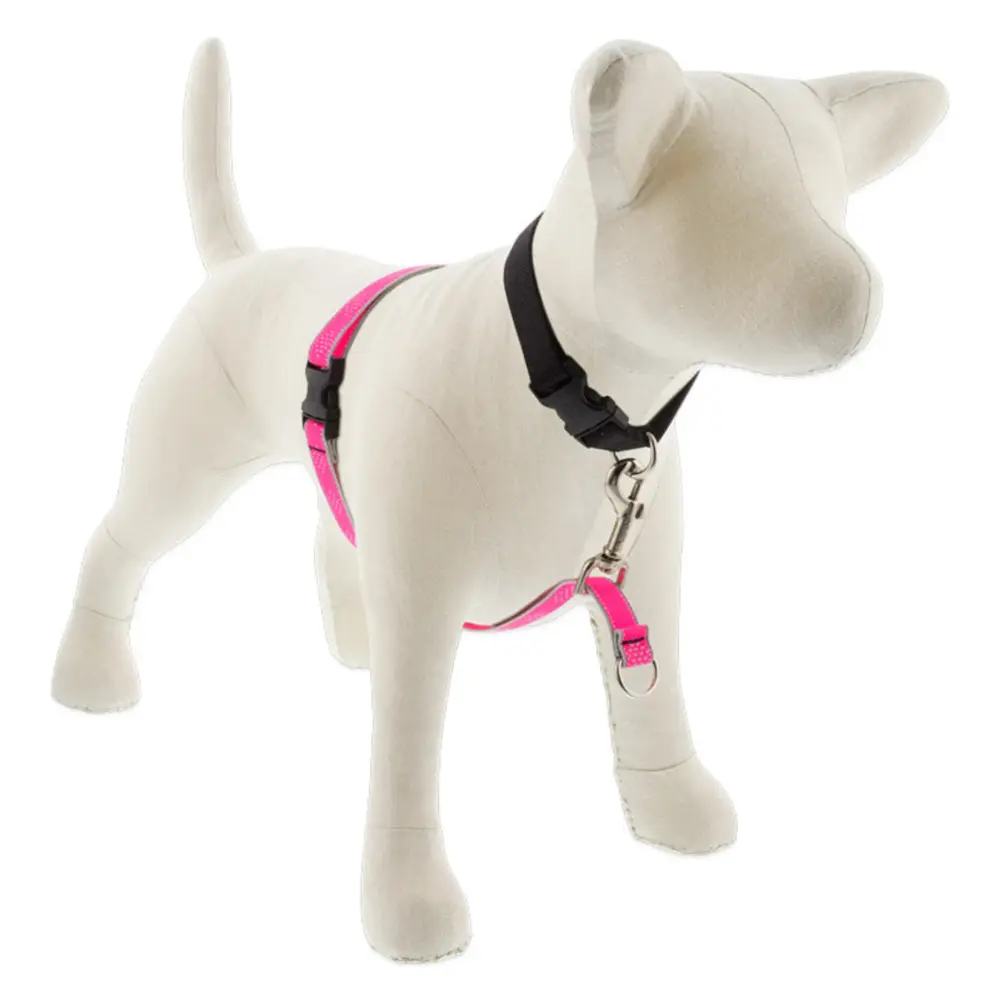
- A well-fitted harness and a standard leash, not a retractable; the Mr. Peanut’s PetTrek Harness & Leash Set comes as a matching pair.
- Small, soft treats for practice sessions and the first meeting.
- A lick mat or long-lasting chew for the times you’re feeding the baby.
- A clip-on poop-bag holder, since one hand will be on the stroller.
- A recording of baby sounds and a helper for stroller practice and homecoming day.
Months before: new routines and who does what
Newborns keep their own hours, so a dog who expects a walk at exactly 7:00 and dinner at exactly 5:30 is in for a confusing few months. Make the new routine normal before the birth:
- Walks. Shift walks toward the times they will realistically happen with a baby, and let them drift a little from day to day. The ASPCA suggests a dog walker for at least the first few weeks; start early so your dog knows them.
- Meals. The ASPCA suggests feeding at varying times within a window of a few hours, or using an automatic feeder, so a late breakfast is no big deal.
- Attention. Resist piling on extra attention now; the ASPCA warns it sets your dog up for a bigger letdown. Schedule a few short one-on-one sessions a day that you could keep up with a baby.
- Who does what. Decide who feeds, walks and lets your dog out, and hand those jobs over now, including care during the birth, which may start at night.
- A veterinary checkup. The ASPCA notes that older dogs and dogs with chronic pain or poor sight or hearing may find the chaos of life with a child harder to cope with. Ask your veterinarian to check for anything that needs treating, and for a referral if behavior worries you.
Manners worth polishing now
The most useful cues are the ones you can give with your arms full: sit, down, stay, wait at doors, settle on a mat, leave it, drop it and come. Add a move-away cue, tossing a treat a few feet away, so your dog learns to step back when there’s a baby in your lap. If your dog pulls, start the step-by-step plan to stop leash pulling now; the stroller steps below depend on it.
House boundaries and a retreat for your dog
Every house rule you’ll want with a baby is easier to teach now, while you have two free hands.
- The nursery. VCA suggests a baby gate across the nursery doorway, or keeping your dog where they can’t reach the baby when no adult is around. Either keep the room off-limits and reward your dog for lying at the doorway, or allow supervised visits to a dog bed away from the crib.
- Your bed. If your dog sleeps with you and the bassinet is going in your bedroom, move your dog’s sleeping spot well before the due date; see how to get a dog to sleep in their own bed.
- The couch. Decide whether the chair or couch where you’ll feed the baby is off-limits or invitation-only. Teach a get-down cue and reward it rather than pushing your dog off.
A retreat your dog can always reach
Your dog needs somewhere to escape visitors, crying and, later, a crawling baby. The AKC’s advice on introducing a dog to a baby is to make the crate a sanctuary that is ideally off-limits to children; a gated corner with a bed, water and a chew works too. Set it up now, away from the route to the nursery, serve the odd chew there and practice short spells behind the gate while you’re in sight. Never use it as a punishment, and never let anyone follow your dog in.
Walking with a stroller, step by step
A stroller turns a pulling habit into a real hazard, so start well before the birth, with the stroller empty. Your dog should already walk on a loose leash without it; for a medium or large dog who still pulls, see how a front-clip harness compares with a back clip. A retractable leash pays out line that can wrap around wheels and legs, so use a fixed-length one.
- Meet the stroller parked, with the brakes on. Set it up indoors, let your dog sniff it in their own time and drop treats by the wheels. Fold and unfold it while your dog watches from across the room, treating after each clack.
- Roll it a few feet. Push it slowly, stop and treat, until your dog follows it calmly across the room. Then add the leash.
- Pick your dog’s side and keep it. Use the same side on every walk, ideally away from traffic, with your dog level with your leg, never out ahead of the front wheels.
- Keep the leash short but loose. Hold it in the hand on your dog’s side, along the handlebar, with a gentle curve of slack but not enough for your dog to reach the wheels or cross behind you. Fold any extra into your hand rather than wrapping your wrist; how to hold a dog leash shows the grip.
- Never tie or clip the leash to the stroller. One lunge at a squirrel can tip it or drag it toward the street. If your dog bolts, you want to be able to drop the leash and keep the stroller.
- Practice empty on quiet sidewalks. Walk short loops, rewarding often while your dog stays beside you, then stretch the gaps between treats. A helper can push at first.
- Practice turns, curbs and stops. Slow down before each turn, especially toward your dog, so the wheels don’t sweep into their paws. Stop well back from curbs, since the stroller reaches the road first, and ask for a sit at every stop.
- Sort out clean-up. Put the brake on before you bend down. A pouch clipped to the leash, stroller or belt carries the full bag to the next bin; keep anything heavy in the basket, since weight on the handle can tip a stroller.
- Plan greetings. When someone stops to see the baby, ask your dog to sit beside you, on the side away from the visitor. If your dog jumps, wave and walk on, and give other dogs a wide berth rather than letting them meet at the stroller.
- Add the baby once empty walks are boring. Keep the first real walks short, ideally with a second adult. If your dog still pulls or reacts, keep practicing empty and have someone else walk your dog for now.
-
Mr. Peanut’s
PetTrek Padded Harness and Leash Set, Choose size & color
Price range: $24.95 through $26.95
Why it fits: A padded harness and matching leash for stroller practice, keeping pressure on the chest rather than the neck. Four sizes, XS to Large; measure the chest first.
-
Lupine Pet
Reflective No-Pull Dog Harness, Choose size & design
Price range: $41.95 through $45.95
Why it fits: For a medium or large dog who still pulls: the front clip redirects forward pulling back toward you. Girth 16 to 38 in only; attaches to the collar and leash you already own.
-
Yucky Puppy
Waterproof Poop Bag Holder, Choose size
Price range: $23.95 through $24.95
Why it fits: Waterproof zippered pouches with a snap loop for the leash, stroller or belt, so a full bag rides along to the next bin while your hands stay on the stroller. Set of two.



New sounds, smells and gear
- Baby sounds. Play a recording of a crying baby quietly while your dog gets treats. Raise the volume over several days, and turn it down if your dog startles, hides or stops eating.
- Gear. Set up the swing, bouncer, bassinet and car seat a piece or two at a time, weeks ahead. Reward calm sniffing, swap anything your dog picks up for a toy, and run a motorized swing on low while your dog chews across the room.
- Smells. Start using the baby lotion and wipes you plan to use, on yourself. After the birth, have someone bring home a blanket the baby has used for your dog to sniff while you hold it.
- Full arms. The AKC notes that dogs know a doll isn’t a baby, so don’t count on rehearsals, but carrying a bundle is still good practice for asking for sit and settle without your hands.
- Touch. Babies grab. Pair gentle handling of the ears, paws and tail with treats, and stop if your dog pulls away or stiffens.
The first meeting when you come home
- Set up the day. Choose a calm adult to handle your dog, leave a leash and treats by the door, and fit in a walk earlier if you can.
- Greet your dog first, without the baby. As VCA suggests, the parent coming home from the hospital greets your dog empty-handed while another adult waits with the baby. Let the excitement fade.
- Leash your dog and sit down with the baby in a quiet room, voice soft and cheerful.
- Let your dog look from a few feet away. VCA advises meeting when the dog is calm and the baby is quiet, with the dog on a leash in a sit. Reward calm looking.
- Let a relaxed dog sniff briefly. The ASPCA suggests a couple of seconds at the baby’s feet, then praise and a cue to sit or lie down. VCA advises no licking or direct contact in these first meetings, however friendly your dog is.
- Keep it short and repeat it a few times through the day, ending each visit with a chew in your dog’s retreat.
If your dog stiffens, stares hard, trembles or lunges, calmly lead them away and try later from farther off; if it happens again, talk to a professional before the next meeting.
Supervision and daily life with a baby
Safety note
Never leave your dog and baby together without an adult watching, not even for a moment, however gentle your dog has always been. When you can’t watch, because you’re showering, cooking or dozing, your dog goes behind a gate or into their retreat, or the baby goes into the crib with the nursery door closed or gated. Time apart like this is a good outcome, not a failure.
- Make the baby good news. The ASPCA suggests giving your dog attention, treats and play while the baby is present, not only while the baby sleeps. Toss a treat when the baby cries.
- Give your dog a job during feeds. Reward lying on a dog bed a few feet from your chair, with a lick mat such as the SodaPup Jigsaw Lick Mat spread thinly with soft food; see what to put on a lick mat and skip anything with xylitol. Pick it up afterward, and if your dog guards food or chews, use the retreat instead.
- Keep floor time separate. When the baby is on a play mat, the mat is off-limits to your dog.
- Keep walks going. Take the baby along when you’re both ready; on hard days, a short sniffy walk or the dog walker will do.
Mistakes that make the change harder
- Leaving every change until the last week, so it all lands with the baby.
- Punishing a growl. The ASPCA warns that a punished growl can disappear, taking away your warning that your dog is uncomfortable.
- Holding the baby up to your dog’s face, or pulling your dog closer.
- Assuming a dog who is good with older children needs no plan: babies sound, smell and move differently.
Signs your dog is struggling and when to get help
VCA notes that most dogs adjust to a new baby within a few days, while some take several weeks. Watch for:
- Stress: lip licking, yawning, looking away, a tucked tail, whale eye (the whites of the eyes showing) or leaving the room whenever the baby cries. The AKC’s guide to dog body language shows more.
- Over-excitement: whining at the bassinet, jumping toward the baby or being unable to settle.
- Fixation: staring hard at the baby, freezing or creeping closer, especially when the baby cries or wriggles.
- New habits: accidents, chewing, skipped meals or restless nights. Ask your veterinarian about any sudden change, since pain or illness can be behind it.
For mild stress, make things easier: more distance, shorter visits, more rewards and more retreat time. If your dog growls, snaps, lunges or fixates on the baby, keep the two fully apart and get help right away. If your dog has ever shown aggression toward children or adults, or predatory behavior toward small animals, VCA advises asking a board-certified veterinary behaviorist whether and how to introduce them, so book that well before the due date. For aggression, the ASPCA recommends a certified applied animal behaviorist, a veterinary behaviorist or a certified professional dog trainer with extensive experience treating it; your veterinarian can refer you.
Have a cat too? See how to prepare your cat for a new baby for litter, scent and hiding places, or browse our walking and training gear.
Related guides
-
Checklist
When to Replace Dog and Cat Gear: A Monthly Wear Check
A five-minute monthly check for everything your dog or cat uses: the wear signs that mean a collar, harness, leash, toy, bowl, lick mat or scratcher insert should go, the fit checks growing and changing pets need, and what only needs a wash.
-
How-to
Teaching Kids to Walk the Dog: When They’re Ready and How to Start
Your child wants to take the leash. Here’s how to tell whether your child and your dog are both ready, how to run practice walks with a backup leash, and what your child should do when the dog pulls, lunges or meets another dog.
-
How-to
How to Wash a Dog Harness, Collar and Leash by Hand or Machine
Check the care label, then hand wash nylon webbing in warm, mildly soapy water or machine wash it in a mesh bag if the label allows. Plus leather and retractable leashes, drying without heat, smells that won’t wash out and when to replace the gear.