Guides
Plain, practical guides to the everyday jobs of living with a dog or cat, from measuring for a harness to lifting hair out of the carpet. For anything about your pet's health, ask your veterinarian.
-
How-to
The Weekly At-Home Health Check for Dogs
Five minutes a week, done in the same order, catches most problems while they are still small. This guide walks through a nose-to-tail check for dogs, what normal feels like, and the findings worth a phone call.
-
How-to
How to Check Your Cat Is a Healthy Weight at Home
Cat weight is hard to judge by eye, especially under a thick coat. This guide covers the hands-on check vets use, the primordial pouch that is often mistaken for fat, and what actually works when a cat needs to lose weight.
-
How-to
How to Check Your Dog Is a Healthy Weight at Home
Scales alone will not tell you whether your dog is a healthy weight. This guide covers the three-part hands-on check vets use, what each result feels like, and the changes that work when the answer is not what you hoped.
-
How-to
Working From Home With a Cat: Fewer Paws on the Keyboard
A home-office plan for cat owners: a warm bed beside the desk instead of on it, cables and coffee out of reach, play before calls, midday puzzle and lick-mat jobs, a kind fix for keyboard walkers and a gentle switch back to office days.
-
How-to
Where to Put Cat Food and Water Bowls, and How Far From the Litter Box
Choosing the spot for your cat’s food and water: how far to keep them from the litter box, why water belongs away from the food, which rooms and corners to avoid, feeding several cats or a cat with a dog, and how to move the bowls without putting your cat off its meals.
-
How-to
Where to Put a Litter Box in a Small Apartment or Studio
The bathroom usually wins, with the door wedged open. See the next-best spots in a studio or one-bedroom, the places to skip (kitchen, bedside, laundry closet), how to make a screen or cabinet work for your cat, a studio layout, and how to move the box without accidents.
-
How-to
What to Do When an Off-Leash Dog Approaches You and Your Dog on a Walk
A loose dog is heading for you and your leashed dog. How to read its body language in seconds, walk away without running, block it with your body and a firm voice, buy time with treats or an umbrella, and what to check and report if the dogs make contact.
-
How-to
Traveling With Two Dogs in the Car: Seats, Tethers, Loading and Stops
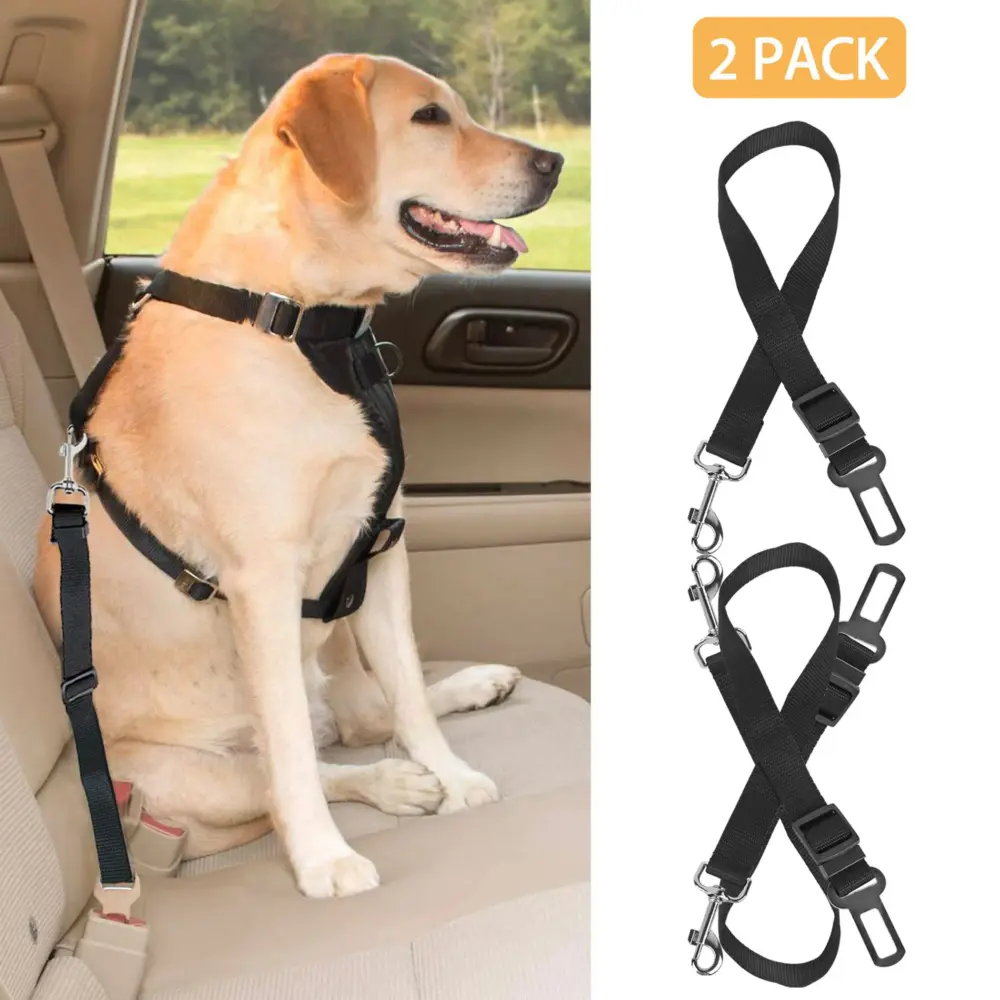
How to set up one back seat for two dogs: a seat each with a gap between, tethers short enough that the dogs can't reach each other or tangle, a booster for a small dog beside a big one, which dog loads first, rest stops on two leashes and what to do if they squabble.
-
How-to
Traveling With a Dog and a Cat in the Car: Seating, Stops and Hotels
How to set up one car for a dog and a cat: the carrier wedged in a footwell away from the dog, a tether short enough to keep a nose off the mesh, who goes in and out first, stops where only the dog gets out, and a hotel room that keeps the cat behind a closed door.
-
How-to
How to Train Your Dog for Hiking: A Gradual Build-Up Plan
Start with a veterinarian check, then build from brisk neighborhood walks to hills, uneven ground and a first easy trail, one change at a time. Practice a loose leash, stepping aside and leave it on everyday walks, and learn the signs that mean rest, turn back or drop back a step.
-
How-to
Teaching Kids to Walk the Dog: When They’re Ready and How to Start
Your child wants to take the leash. Here’s how to tell whether your child and your dog are both ready, how to run practice walks with a backup leash, and what your child should do when the dog pulls, lunges or meets another dog.
-
How-to
How to Teach a Dog to Wait for Their Food Bowl, Step by Step
Lower the bowl only while your dog stays sitting, then release them to eat. This step-by-step plan uses your dog’s own meals and covers longer waits, distractions, jumping, barking and lunging, multi-dog kitchens, and what to do if your dog guards the bowl.