Outdoors & Adventure How-to
How to Train Your Dog for Hiking: A Gradual Build-Up Plan
Short answer
Start with a veterinarian check, then build up over several weeks: longer brisk walks, then hills, then uneven ground, changing one thing at a time and moving on only when your dog moves normally the next morning. Practice a loose leash, stepping aside and leave it on everyday walks, and keep the first trail short and easy.
Start with a veterinarian check
A trail asks more of a dog than a sidewalk does: more time on the move, climbs and descents, and footing that shifts with every step. Before you add any of that, ask your veterinarian how much your dog is ready for now. VCA’s guide to healthy exercise for dogs notes that a veterinarian can help create a conditioning program for your dog, and that overweight dogs are more prone to joint injuries and have a harder time cooling off.
Questions worth taking to the appointment:
- How much walking time and climbing suits my dog right now?
- Is my dog at a healthy weight for this, or should we start more gently?
- Does any joint, heart, breathing or skin condition change the plan?
- Which flea, tick and parasite prevention fits the places we plan to hike?
- Can you scan the microchip? Then check with the registry that your phone number is current.
What you need for the build-up
Train in the gear you will hike in, so nothing is new on trail day. The full trail-day pack list is in our hiking with a dog checklist.
- A harness your dog already wears. After each long walk, look for redness or broken hair where the straps sit; a strap that rubs a little now will rub more on a trail.
- A fixed-length leash of 6 feet or less, the limit on national park trails that allow dogs, and the length you will practice stepping aside with.
- A collar with ID tags and a cell number you will answer on the trail.
- The bottle and bowl you will hike with, so drinking from them is routine by trail day.
- Poop bags and a pouch for full ones, since longer routes pass fewer bins.
- Small, soft treats for the trail skills below.
These four picks are limited to Nilosi’s own catalog, not a survey of the market. Check each listing’s sizing before you order, or browse our walking and training gear.
-
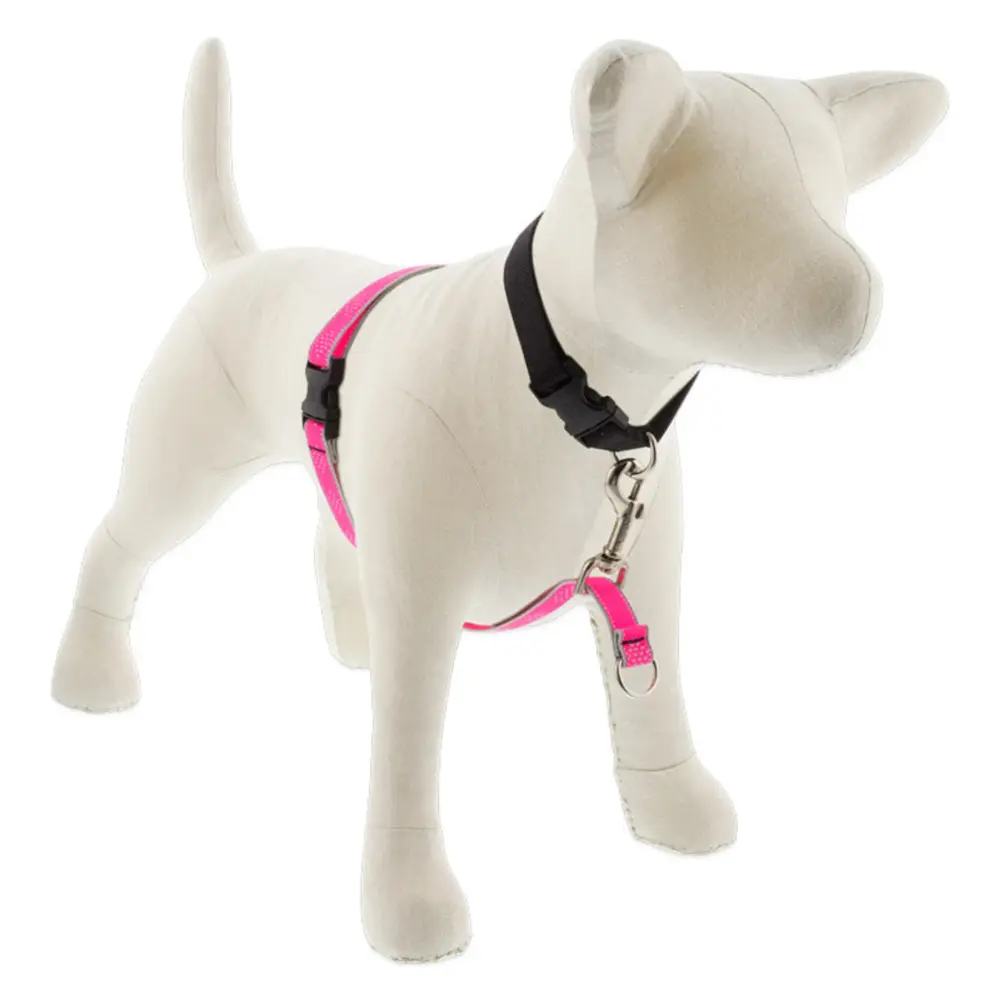
Lupine Pet
Reflective No-Pull Dog Harness, Choose size & design
Price range: $41.95 through $45.95
Why it fits: Steers a medium or large dog who still pulls on training walks, turning a pull back toward you. Fits 16 to 38 in girth and clips to a collar.
-
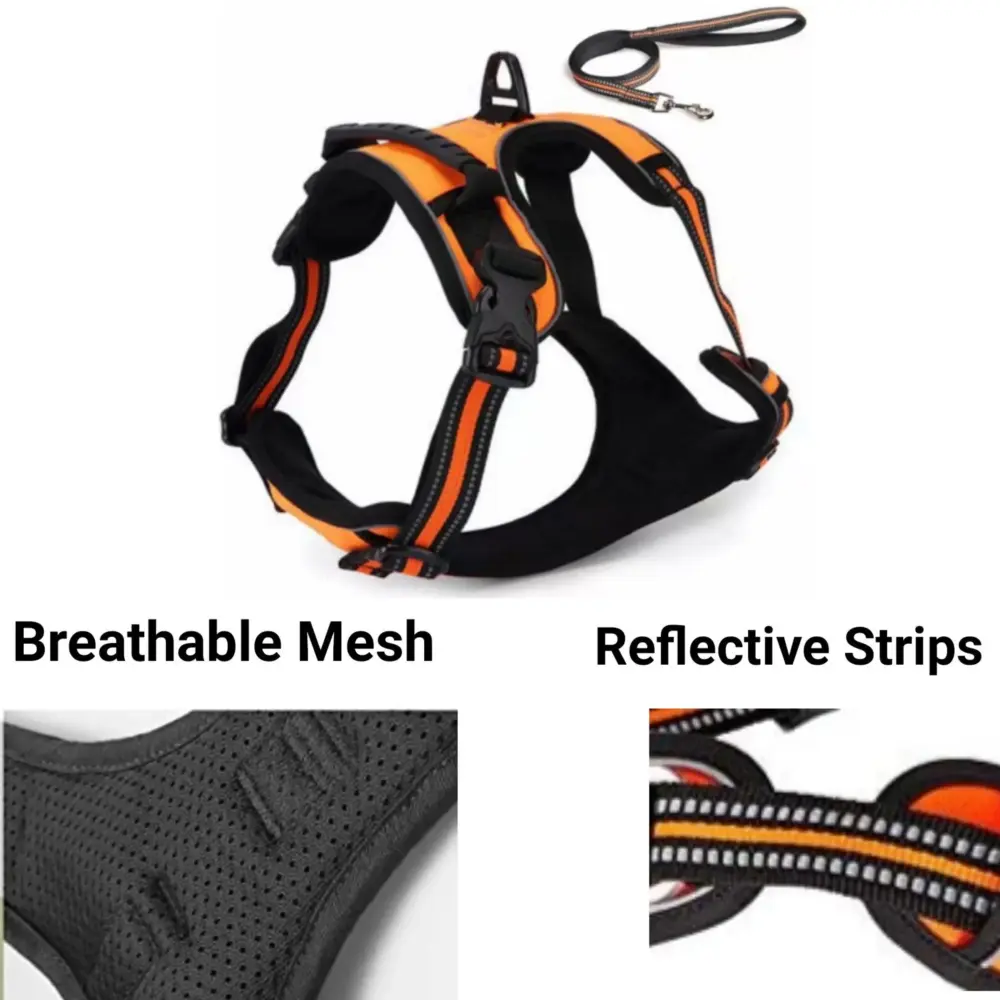
Mr. Peanut’s
PetTrek Padded Harness and Leash Set, Choose size & color
Price range: $24.95 through $26.95
Why it fits: Lets your dog train in the padded harness and leash you will hike with, so any rubbing shows up early. XS to Large, with reflective trim.
-
Flipo
Fold-A-Bowl Dog Water Bottle with Fold-Out Bowl, Choose color
$28.95
Why it fits: Makes the halfway water break routine on long walks: 26 oz, a cover that folds out into a bowl and a wrist strap that frees a hand.
-
Yucky Puppy
Waterproof Poop Bag Holder, Choose size
Price range: $23.95 through $24.95
Why it fits: Carries full bags out of sight on long routes with few bins, in a zippered, waterproof pouch for the leash or a belt. XL, set of two.




Tip
Keep a three-line log after every long walk: how long it lasted, what changed (time, hills or surface) and how your dog moved the morning after. A few weeks of notes tell you when to move up a step more reliably than memory does.
The build-up plan, one change at a time
Distance is only part of what makes a hike hard; time on the move, climbing, footing and heat all add to it. Change one of them at a time, and move up a step only when your dog finishes the current one eager and moves normally the following day. Many dogs need more than a week per step, so expect several weeks between the first brisk walk and the first trail.
- Find your starting point. Note your dog’s longest comfortable walk today, on mostly flat ground, and how they move the morning after. The plan starts there, not at the trail’s length.
- Make weekday walks brisk and steady. Keep the same length, but between planned sniff breaks walk at a purposeful pace your dog can hold without panting hard. A walk, not a jog.
- Lengthen one walk a week. Pick one walk as the long one and add a few minutes to it each week. Keep one slow, sniffy walk in the week as an easy day.
- Add a gentle hill. Once the long walk feels easy, keep its length and route it over a hill or two. If the climb is new, shorten the walk a little that week.
- Add uneven ground. Swap part of a familiar route for grass, a dirt path or a gravel park trail, at a length and climb your dog already manages.
- Try a first easy trail. Choose one that takes no longer than your dog’s current long walk, with little climbing and some shade.
- Check the day after, every time. Stiff, slow to get up, tender on the paws or less eager? Drop back a step and give an easy day before trying again.
Hills and stairs
Climbs work the hind legs and the lungs; descents are where an excited dog slips or pulls you off balance. Walk both, never run them, and shorten the leash on the way down. Park stairs can stand in for a hill, at a walk and in small doses; ask your veterinarian first about any joint or back concern.
Uneven ground and paw pads
Rocks, roots and gravel ask more of balance and of paw pads. The AKC notes that pads need time to adjust to weather and stress, and that the first long walk of a warm season can often cause blisters, so add rough surfaces in short stretches. After each new surface, spread the toes and look over the pads for scuffs, cracks, redness or anything caught between them.
Trail skills to practice before you go
Work on these from the first week, on neighborhood walks, so they hold up when a trail adds new smells, wildlife and strangers. The AKC’s advice on hiking with dogs names polite leash walking, come, sit, stay, leave it and a quiet cue as the basics.
- A loose leash. On a narrow path or a downhill, a dog who pulls can take you off your feet. If pulling is still a habit, run our plan for how to stop a dog pulling on the leash alongside the build-up.
- Step aside and wait. Pick a cue such as side. Say it, guide your dog to the edge of the sidewalk behind you, and feed treats while a person, bike or stroller passes. Start with passers-by at a distance and work closer.
- Leave it. Trails come with droppings, dead animals and dropped snacks. The AKC’s method for teaching leave it starts with a treat in your closed hand, builds to walking your leashed dog past a row of treats on the floor, then moves the practice to as many places as you can.
- Come, even on leash. The AKC advises having a reliable recall ready in case you drop the leash or a collar breaks. Mid-walk, step back, say the cue once and reward well when your dog reaches you.
- Settle at a rest stop. On a park bench, reward your dog for lying down beside you for a few minutes, just as you will want at a trail break.
Your first easy trail
Choose the first trail for how easy it is to finish, not for the view.
- Dogs allowed. Rules differ between parks, and even between trails in one park; the National Park Service’s tips for hiking with pets say to check with the park before you visit.
- No longer than your dog’s current long walk, measured in time. Trail miles take longer than sidewalk miles, so plan by the clock rather than the map.
- Little climbing and plenty of shade, on a path wide enough to step aside easily.
- A short loop, or an out-and-back you can cut short at any point.
- A quiet, cool time, such as an early weekday morning, when you will pass a handful of people rather than a crowd.
Give your dog a few minutes to sniff around the trailhead before you set off; it takes the edge off the excitement.
Training through the seasons? In summer, check the ground and the hours to avoid with how hot is too hot to walk a dog. In the fall, some trails are open to hunters; hiking with a dog in hunting season covers bright colors and which trails to check. Snow and ice bring their own checks, covered in winter hiking with a dog.
Reading fatigue: signs to rest or turn back
Many dogs will push on to keep up with you, so watch for the signals rather than waiting for your dog to stop. On a long walk or a trail, take a rest in the shade, with water, if you notice:
- Drifting to your heel or behind you, when your dog usually walks ahead
- Lying down the moment you stop, or heading for every patch of shade
- Panting that is still heavy after a few minutes in the shade
- Stumbling on easy ground, or a change in how they move: shorter steps, a hitch or a limp
- Licking or holding up a paw
- Losing interest in sniffing and exploring
If your dog perks up after a rest, head back at an easy pace. If they don’t, or you notice a limp or signs of heat stress, call your veterinarian. Better still, turn around before any of this shows: the return leg is just as long, and a morning hike gets warmer as it goes.
Safety note
Heavy panting, rapid breathing, excessive drooling, bright red gums or trouble keeping balance on a warm day can be early signs of heatstroke, says the AKC’s guide to heatstroke. Stop, move into shade, wet your dog with cool (not ice-cold) water, especially the belly, offer a little to drink if they are alert, and call your veterinarian or an emergency clinic at once.
Stiffness the day after
Stiffness the following day is the clearest sign that a step was too big. Cornell’s Riney Canine Health Center lists signs of pain in dogs that include stiffness or limping, trouble sitting, climbing stairs or getting up, and reluctance to exercise. Follow every longer or harder outing with an easy, sniffy walk, and call your veterinarian about a limp or about stiffness that lingers or keeps coming back.
Puppies, seniors, flat-faced and small dogs
These dogs can enjoy trails too, but bring your veterinarian in from the start.
- Puppies. The AKC’s hiking tips caution that the burden on growing bones may be too much for puppies, and its guide to puppy exercise calls safe free running the best exercise for them, because a puppy off leash slows down when it gets tired. On a leash it can’t set its own pace, so keep trail time short, on soft ground, and ask your veterinarian when longer hikes are safe.
- Senior dogs. Pick flatter routes, a slower pace and more rests, shorten outings rather than dropping them, and treat stiffness the morning after as a firm signal. Ask your veterinarian about joint comfort before you build up.
- Flat-faced breeds like Pugs, Bulldogs and Boston Terriers. The ASPCA’s hot weather safety tips point out that flat-faced pets can’t pant as effectively, which makes them more susceptible to heatstroke. Stick to cool hours, shade, short climbs and frequent rests, and ask your veterinarian how much exertion suits your dog.
- Small dogs take many more strides to cover the same trail, and rocks and ledges are bigger obstacles for short legs. Hiking with a small dog covers how far to go and when to carry them.
Mistakes and troubleshooting
Mistakes to avoid
- Saving it all for the weekend. VCA’s exercise guide says a short walk every day is better than one long walk on Sunday.
- Going by your fitness, not your dog’s. You may be ready for the summit; your dog decides at each rest.
- New gear or a hot day for the first hike. Each adds one more strain at the worst moment.
- Dropping the leash before recall is reliable, or anywhere leashes are required.
- Loading a dog pack too soon. Ask your veterinarian before your dog carries one, introduce it empty on short walks, and add any load only once trail days are easy without it.
Troubleshooting
- Your dog pulls hard at the start. Walk the first few minutes slowly and reward every loose-leash step. If pulling hasn’t eased on everyday walks, give the loose-leash plan more time before adding trail days.
- Your dog is fine on the way out but lags on the way back. Turn around sooner, start earlier in the day, check the pads, and look under the harness straps for rubbing.
- A pad gets scraped or cut. VCA’s first aid for torn or injured foot pads covers cleaning the wound, pressure with a clean towel and a protective wrap, and treats bleeding that hasn’t stopped within 10 to 15 minutes as an emergency. Head back, and see your veterinarian about any deep cut.
- Your dog is stiff after every outing, even at the same step. Hold at an easier step and ask your veterinarian; repeated stiffness isn’t something to train through.
- Your dog worries about people passing on narrow trails. Go back to step-aside practice at a greater distance, hike at quieter times, and work with a qualified trainer if your dog lunges or barks.
Related guides
-
How-to
How to Walk Two Dogs at Once Without Tangles or Pulling
Two dogs, two leashes and no knots: train each dog alone first, give each one a usual side, walk at the slower dog’s pace, untangle crossed leashes safely and know what to do when one dog pulls or reacts.
-
Checklist
What to Tell Your Dog Walker: A Handover Checklist
Everything a new dog walker needs on one page: where the gear lives and how it goes on, how your dog walks, leash and route rules, medications and treats, emergency contacts, the door routine, weather rules and a first walk together.
-
Guide
How Long Should You Walk Your Dog? By Age, Size and Energy
Most healthy adult dogs do well with about 30 minutes of walking a day in total, split over two walks, and high-energy breeds need a lot more. See how age, energy, size and health change the answer, the five-minutes-per-month guide for puppies, signs a walk is too long or too short, and how to build up safely.