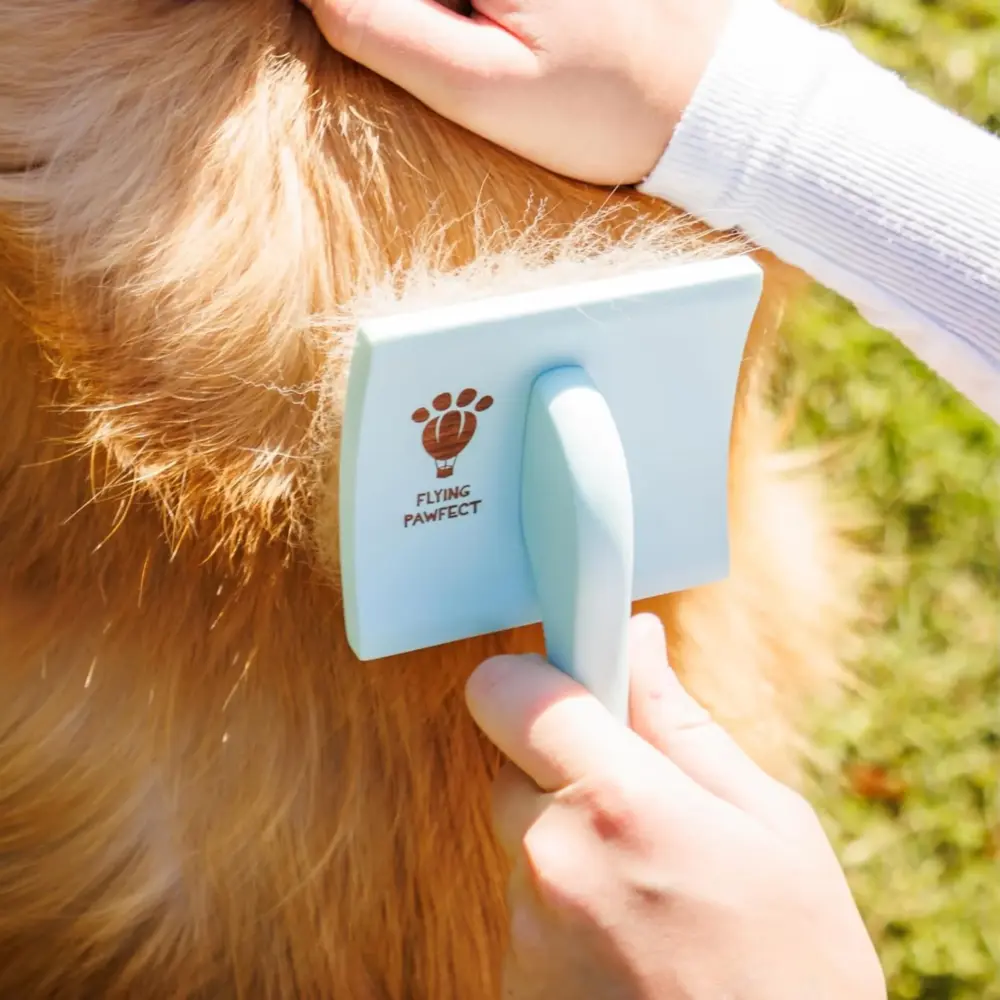
Grooming & Shedding How-to
How to Bathe a Long-Haired Dog Without Making Mats Worse
Short answer
Brush the coat out completely before any water touches it, work shampoo down to the skin rather than over the top, rinse until the coat squeaks, then dry while brushing. Water turns an existing tangle into a mat, so the order matters more than the products.
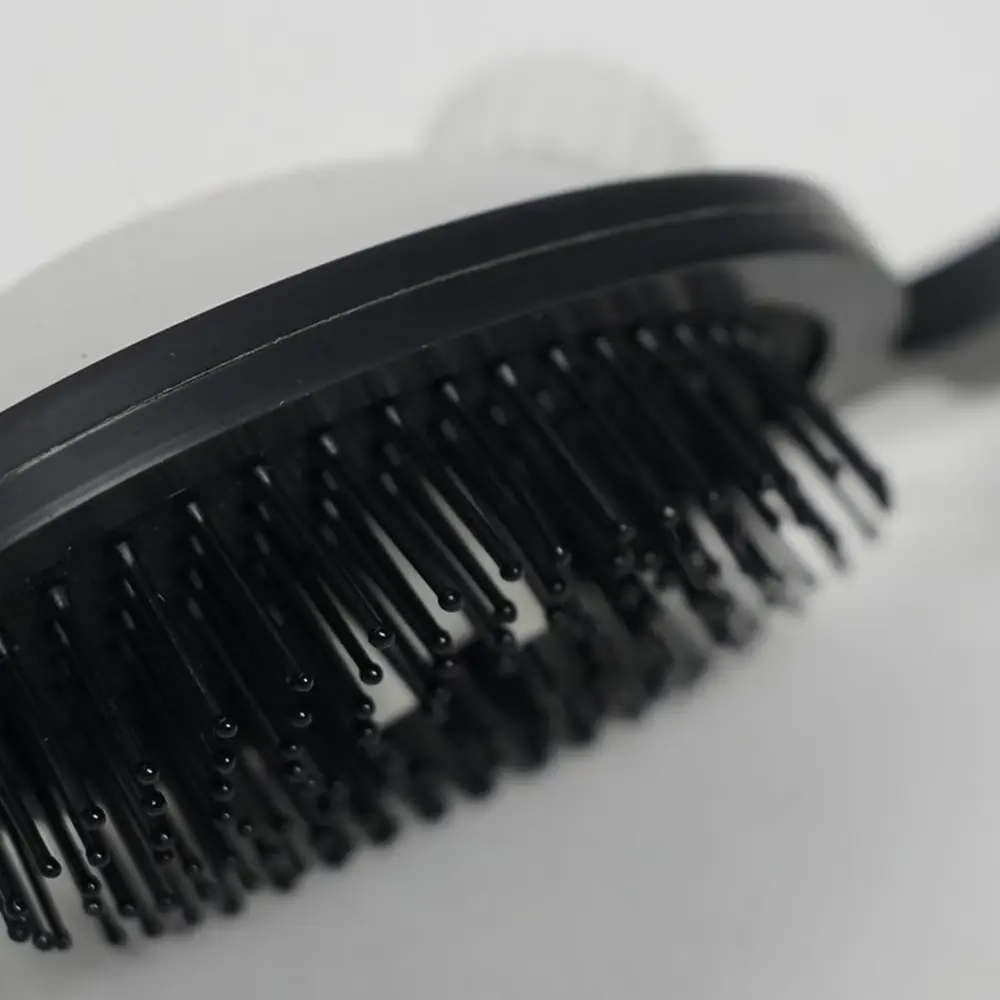
Brush before water, always
This is the rule that makes the difference. A tangle is loose fibre crossing over itself; add water and it tightens into a felted mat that cannot be brushed out afterwards. Bathing a tangled dog reliably produces a coat in worse condition than before.
Work through the whole coat first with a slicker and then a comb, paying attention to behind the ears, under the front legs, the back of the thighs and around the collar. If a comb will not pass through an area, that area is matted and needs dealing with before the bath, not after.
Safety note
If the coat is matted close to the skin over a large area, book a groomer rather than attempting a bath. The skin underneath a tight mat is often sore, and wetting it makes everything harder for everyone.
What you need within reach
- Dog shampoo, never human shampoo
- Conditioner if the coat is long or prone to tangling
- A non-slip mat for the bath or shower floor
- A jug or a shower attachment for rinsing
- Two or three towels, more than you think
- A slicker brush and a comb
- A dryer on a cool setting if you have one
- Treats, within reach and already open
- Cotton wool for the ears, if your dog tolerates it
Tip
Human shampoo is the wrong pH for dog skin and strips the coat. Use a product made for dogs, and if your dog has a skin condition, use whatever your vet has recommended rather than a general one.
Getting shampoo to the skin
A long coat behaves like a sponge on top and a dry layer underneath. Shampoo applied to the surface sits in the outer coat, lathers impressively and never reaches the skin, which is where the dirt and the odour actually are.
- Wet the coat thoroughly, working water down to the skin section by section.
- Dilute the shampoo in a jug of warm water rather than applying it neat.
- Pour it along the parting line of each section and work it in with your fingertips.
- Massage in the direction of hair growth, not in circles, which creates tangles.
- Start at the neck and work backwards, leaving the head until last.
- Keep shampoo out of eyes and ears; a damp cloth is enough for the face.
Rinsing until it squeaks
Under-rinsing is the most common mistake and it causes most post-bath itching. Residue left in the coat dries into a sticky film that attracts dirt, irritates skin and makes the coat tangle faster.
Rinse for longer than feels necessary, working from the neck backwards and letting the water carry the lather down. Keep going until the water runs completely clear and the coat squeaks slightly between your fingers. If you have used conditioner, rinse that just as thoroughly unless it is a leave-in product.
Drying is where coats are won or lost
A long coat left to dry on its own mats as it dries, because the fibres settle against each other in whatever position they land. The technique is to dry and brush at the same time, which keeps the fibres separated.
- Squeeze water out of the coat by hand before towelling, rather than rubbing.
- Press towels against the coat; rubbing is what creates tangles.
- Work in sections, drying one area fully before moving on.
- If using a dryer, keep it on a cool or warm setting, never hot, and keep it moving.
- Brush each section as you dry it, with the slicker following the airflow.
- Finish with a comb through each section to check nothing has been missed.
- Do not let a damp dog lie down and sleep; that is how a flat mat forms on one side.
Safety note
Never use a human hairdryer on a hot setting. Dog skin burns easily and the dog cannot tell you it is too hot until it already is.
-
The Benjamin Brush, Choose size
$37.95
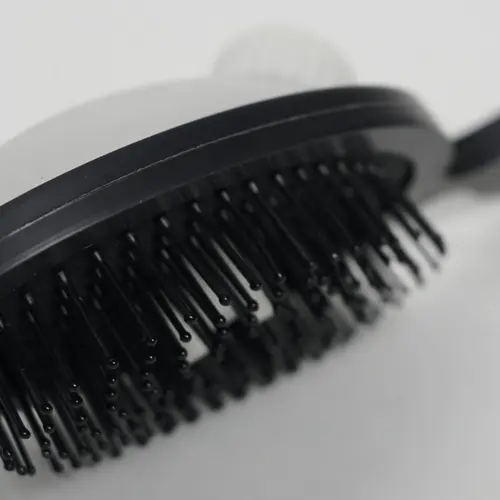
Why it fits: Holds shampoo inside the brush and releases it at the base, which is how you get product to the skin.
-
Sakabase
Curved Slicker Brush, View product
$39.95
Why it fits: A curved slicker for the brush-out before and the brush-while-drying after, which is the whole job.
-
Flat Slicker Brush for Dogs and Cats, View product
$40.95
Why it fits: A large flat slicker for finishing the legs and chest, where a curved head lifts away.
-
Mr. Peanut’s
Naturals Pet Wipes
$26.95
Why it fits: Large wipes for the days between baths, which is how you bathe a long-coated dog less often.
Currently out of stock


The brush-out afterwards
Once the coat is fully dry, go through it again with a comb. This is the step that catches anything the drying missed, and it takes a few minutes. A comb that passes freely through every section means the bath was a success; a comb that snags means there is a tangle starting, and it is far easier to fix now than next week.
How often is too often
Most long-coated dogs do well with a bath every four to eight weeks, adjusted for lifestyle. Bathing too often strips natural oils and leaves the coat dry and more prone to tangling, which is the opposite of what people expect.
Between baths, brushing does most of the work. A few minutes several times a week keeps a long coat in better condition than a monthly bath ever will, and wipes handle muddy paws and dirty faces. How to brush a long-haired dog covers the routine, and how to clean a dog without a bath covers the in-between days.
The areas that cause the most trouble
Mats form where fur rubs against something repeatedly, which means the same places on almost every dog. Knowing the list turns a long brush-out into a targeted one.
- Behind and under the ears, where the coat is fine and moves constantly.
- Under the front legs, where the leg rubs the chest with every step.
- The back of the thighs, sometimes called the trousers.
- Around and under the collar, which is why a collar left on a damp dog causes problems.
- The tail, underneath, particularly on heavily feathered dogs.
- Between the toes, which also collects grit and grass seeds.
- The chest and bib, where water and food both land.
Check all seven before a bath and again after drying. If a comb snags in one of them, deal with it then: a tangle takes a minute now and a mat takes twenty minutes next week, or a trip to a groomer the week after.
When to book a groomer
Call a professional if the coat is matted close to the skin, if the mats are over the hips or behind the ears where the skin is thin, if your dog will not tolerate handling, or if the coat needs clipping rather than washing. A groomer can also show you the drying technique on your own dog in ten minutes, which is worth more than any written description.
Setting up so it goes smoothly
Most bath disasters are logistical. The dog is in the water, the shampoo is across the room, the towel is in the cupboard, and the whole thing becomes a wrestling match. Ten minutes of preparation changes the experience completely.
- Brush the dog out fully, somewhere other than the bathroom.
- Put a non-slip mat in the bath or shower; slipping is what frightens dogs.
- Lay out shampoo, conditioner, jug, towels and treats within reach.
- Close the door and get the water temperature right before the dog comes in.
- Use lukewarm water; what feels pleasant to you is often too hot for a dog.
- Work calmly and keep talking; speed makes it worse, not better.
- Have the towels ready at the end so there is no wet dog loose in the house.
How bathing fits the wider grooming routine
For a long-coated dog, bathing is the least important part of coat care. Daily or near-daily brushing does the real work, and a bath on a well-brushed coat is straightforward. A bath on a neglected coat makes everything worse.
A workable routine for most long coats: a few minutes of brushing most days, a full comb-through once a week, a bath every four to eight weeks, and a professional groom every two to three months if the coat needs trimming. How often to brush a dog and grooming at home versus a groomer both cover where the line sits.
Common questions
Can I use conditioner on a dog?
Yes, provided it is made for dogs. On long and tangle-prone coats it genuinely helps, and a light leave-in spray makes the post-bath comb-through considerably easier.
My dog hates baths. What do I do?
Work on the environment before the technique: a non-slip mat, warm water, no echo, treats throughout. Bathing a dog that hates baths covers the build-up properly.
Is it alright to let a dog air dry?
For a short coat, yes. For a long coat, no, because it mats as it dries. If you have no dryer, towel and brush in sections until the coat is barely damp, then brush again as it finishes.
What about dogs who swim regularly?
Rinse with fresh water the same day, especially after salt water or chlorine, and dry and brush as above. Cleaning a dog after swimming covers it.
Should I bathe before or after a haircut?
Before. Clipping a dirty or matted coat blunts blades and gives a poor finish, which is why groomers wash first as a matter of course.
For the tools, see flat versus curved slicker brush, and for mats that are already there, getting mats out of dog hair.
Related guides
-
How-to
How to Groom a Yorkie at Home: Brushing, Baths, Nails and Trims
A Yorkie’s silky coat keeps growing and knots close to the skin. This routine covers a misted brush-out with a comb check, baths every week or two, eye, ear and teeth care, nails every two weeks, and which trims to do at home or leave to your groomer.
-
How-to
How to Groom a Goldendoodle at Home: Brushing, Mats and Trims
Curly and wavy doodle coats shed little and mat close to the skin, so brushing has to reach the roots. Here is the section-by-section routine, the spots that mat first, face, ear and foot care, bathing and drying, nails, and how often to book the groomer.
-
How-to
How to Groom a Golden Retriever at Home: Brushing, Baths and Nails
A Golden’s double coat and feathering need at least a weekly brush, a daily one in a heavy shed, and a full brush-out before every bath. Here is the routine zone by zone, how to rinse and dry to the skin, nails, ears and paws, and which trims to leave to a groomer.