Grooming & Shedding How-to
How to Brush a Long-Haired Dog: Line Brushing, Section by Section
Short answer
Brush a long-haired dog in thin rows, not over the top: hold the coat up, brush the strip below the part out from the skin with a slicker, then comb it to the skin before you let down the next row. Work from the hind feet up and forward, and check the ears, armpits and collar line every day.

A long coat can look freshly brushed while knots keep building underneath, in hair the brush never reached. Line brushing, also called layer brushing, works through the coat one thin row at a time, so every hair gets brushed from the root. The AKC’s guide to the Shih Tzu coat sums up the goal: layer the hair so you reach the skin. It takes longer than a once-over, but it finds and clears small tangles before they can felt into mats you can’t see.
What you need for line brushing
- A slicker brush. Its fine wire pins do the work in each row, separating small tangles and pulling out loose hair. Not sure a slicker is right for your dog? Compare the types of dog brushes, matched to coat type.
- A metal comb, ideally with a coarse end and a fine end. It is your test, because a comb snags exactly where the slicker missed.
- A spray bottle of plain water, or a detangling spray made for dogs. Dampening each row lets the slicker slide rather than catch, and keeps static from making a long coat fly.
- Somewhere to lie down. A towel or non-slip mat, good light and small treats. Most of the coat is easier to reach with your dog lying on its side.
- For long double coats in a shed: a de-shedding tool, used only after the rows comb through.
We don’t sell combs, pin brushes or detangling sprays, so the picks below are limited to what Nilosi carries: the brush that does the line brushing, and a lick mat that buys you time for it.
-
Sakabase
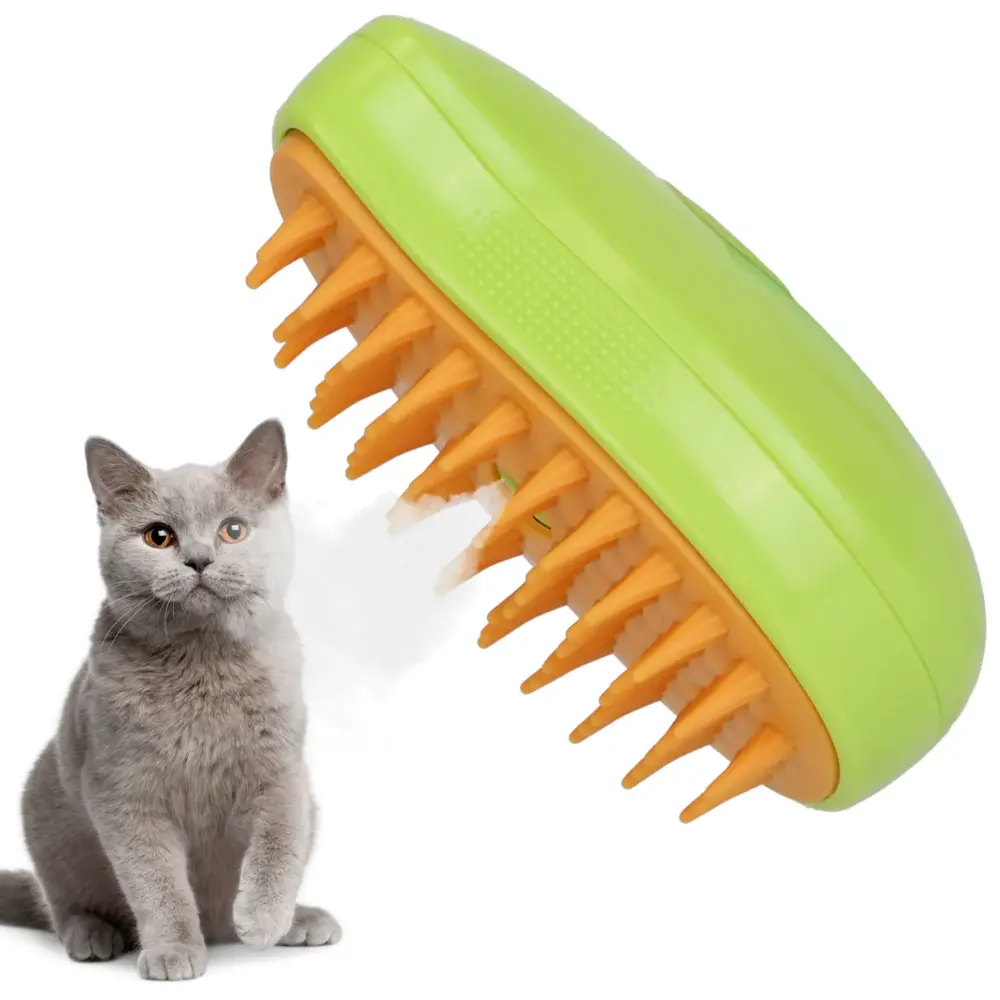
Curved Slicker Brush, View product
$39.95
Why it fits: Its curved head puts more pins on the coat with each stroke; the fine, firm pins reach the undercoat of long and thick coats in fewer passes.
-
SodaPup
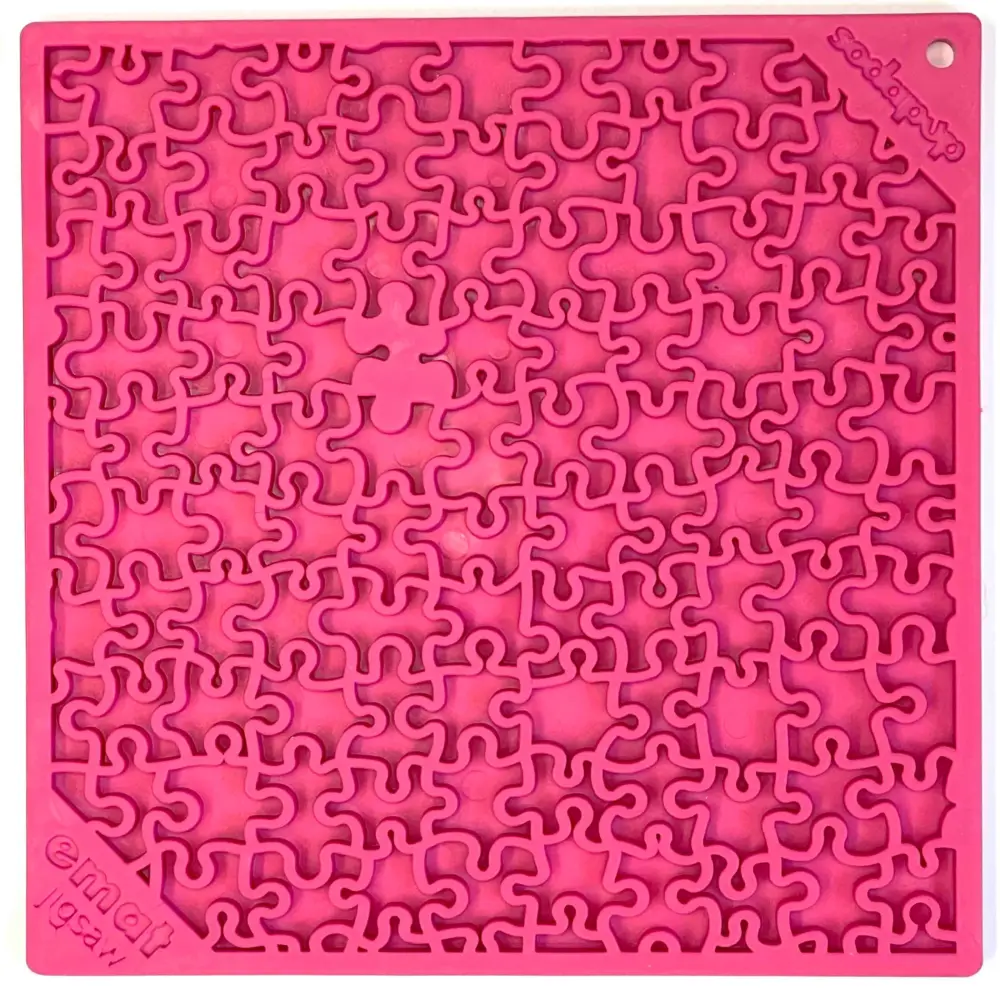
Jigsaw Enrichment Lick Mat for Dogs & Cats, Choose color
$25.95
Why it fits: Gives your dog a slow licking job through a long grooming session; spread soft food into the jigsaw grooves, or freeze it for a longer session.


How to line brush a long-haired dog, step by step
Start with a clean coat that is no longer wet from a bath or swim. Line brushing keeps a coat clear; it doesn’t break up felt. If step 1 turns up a small, loose mat, work it out first with the method for getting mats out of dog hair, and leave any mat tight against the skin to a groomer.
- Feel before you brush. Run your fingers through the coat, slowly over the friction spots below. Note knots, burrs and any spot your dog flinches at; skip sore areas and mention them to your veterinarian.
- Start at a hind foot. With your dog lying on its side, begin at the foot of the hind leg on top. You will work up the leg and toward the head, one row at a time.
- Part off a thin row. Push the coat above upward with your flat hand or forearm, leaving a narrow strip below a straight part. If you can’t see skin all along the part, the row is too thick.
- Mist that row. One or two light sprays of water or detangler, enough to dampen the hair without wetting it to the skin.
- Brush down and out from the skin. Set the slicker at the part and use short, light strokes down and away from the skin, out to the ends, until it slides through without catching.
- Comb-check the row. Slide the comb’s teeth in at the skin along the part and draw it out to the ends. A snag means brush that spot again; a clean glide means the row is done.
- Drop the next row. Let down a thin layer from above the part so it falls over the finished row, then part, mist, brush and comb again. Clear the hair off the pins every few rows.
- Work up and forward. Hind leg, thigh, hip, side and back, then the belly, front leg, armpit, chest, neck and ears, and the tail last. Turn your dog over and repeat on the other side.
- Finish and reward. Run the comb over the whole dog once more, then give a treat. Quit while your dog is still calm, even if only one side got done.
Tip
Thin rows feel slow but finish sooner. A narrow row clears in a few strokes, while a thick one lets the slicker ride over the knots underneath, so you end up brushing it twice.
The pins should skim the skin, never dig into it. Holding the brush with a loose wrist and testing your pressure on your own forearm are covered in our guide to using a slicker brush without hurting your dog.
The friction spots that mat first
Mats rarely start on the back. They begin wherever hair gets rubbed, folded or kept damp, and these spots can tangle again within days of a full brush-out. VCA Animal Hospitals advises checking the coat every day for tangles under the armpits, in the groin and behind the ears, so give these spots a quick line brush and comb check daily, even when the rest of the coat waits its turn.
| Spot | Why it tangles | How to brush it |
|---|---|---|
| Behind ears | Fine, soft hair; scratching twists it | Ear flat in your palm, brush outward |
| Collar line | Collar or harness rubs and shifts | Take gear off; brush the strap lines |
| Armpits | Hair folds with every stride | Lift the leg forward to open the fold |
| Belly, groin | Pressed together when lying down | Dog on its side; lightest touch |
| Hind thighs | Long feathering, sat on all day | Hold hair near the skin; comb after |
| Under the tail | Stays damp and gets soiled | Lift the tail; brush from base out |
| Between toes | Mud, burrs and snow collect | Spread the toes; pick debris out |
Safety note
The belly, armpits, groin and inner thighs have thin skin. Use the lightest pressure there, and stop at the first sign of pink skin or a dog pulling away. Red or broken skin, sores, a smell or a lump you hadn’t noticed before are for your veterinarian, not more brushing. Leave any trimming under the tail and around the genitals to a groomer.
What changes for double, silky and curly coats
The rows, the comb check and the order stay the same. What changes is where the trouble hides and how much pressure the hair will take.
Long double coats
Collies, Shelties, Golden Retrievers, Bernese Mountain Dogs and many Australian Shepherds grow a soft, thick undercoat beneath longer guard hair. Shed undercoat packs down at the skin and knots into the hair still growing, mostly in the ruff, the leg feathering and the britches behind the thighs. Line brush with the slicker until each row combs clean to the skin; the guard hair settles back over it.
In a seasonal shed, a de-shedding tool can follow on the neck, back, sides and hindquarters once those rows comb through. The JESPET De-Shedding Tool uses a stainless-steel edge to pull loose undercoat out through the topcoat, in Small or Large; keep it off tangles and the feathering, where an edge can catch. Which coat needs which tool, and in what order, is laid out in slicker brush vs deshedding tool, and how to groom a Golden Retriever applies the routine to one breed.
Long, silky coats
Silky coats such as a Yorkshire Terrier’s or a Maltese’s have little or no woolly undercoat, so less hair comes out, but the fine strands knot into small, tight tangles at the skin and can break if you drag through them. Mist every row, use the slicker with the lightest touch and let the comb do more of the work. Around the eyes, on the beard and in a topknot, use the comb alone.
If line brushing a floor-length coat every day isn’t realistic, ask your groomer about a shorter trim. A short coat takes the same method in a fraction of the time.
Curly coats
In Poodles, Bichons Frises and many doodles, shed hair doesn’t fall away; it stays wound into the curls. These coats felt closest to the skin, under a top that still looks fluffy. Make the rows narrower than you would on a straight coat and comb-check every one; the slicker alone can’t tell you whether it reached the base. Length decides the workload: a coat kept short line brushes quickly, while a long, fluffy cut needs line brushing every day or close to it.
How long it takes, and how to split it across the week
The first full line brush of a coat that has only ever been brushed on top is the slow one. Expect knots in rows that looked fine, and spread that first pass over several sessions. Once the coat is clear, most rows comb through after a few strokes.
After that, rotate through the body in the same order as the steps, one zone per session, and keep checking the friction spots daily:
- Session 1: hind legs, thighs and hips.
- Session 2: sides, back and belly.
- Session 3: front legs, armpits and chest.
- Session 4: neck, ears, head and tail.
How often a zone comes around depends on the coat. VCA notes that dogs with long, silky or curly coats need daily brushing, so on those coats line brush at least one zone every day, more as the coat grows long. A long double coat brushed two or three times a week can take two zones per session. Either way, the whole coat gets line brushed at least once a week; our brushing schedule by coat type has the detail. Keep each session to what your dog enjoys, often 10 to 15 minutes.
One exception to splitting it up: line brush the whole coat before a bath. VCA advises brushing tangles out first, since a tangle that goes through a wash may never come out.
Mistakes that leave mats under the surface
- Brushing the top layer only. The outside looks smooth while felt builds at the skin.
- Pressing harder to reach deeper. Parting the coat gets you to the skin; pushing the pins in only scratches it.
- Brushing bone-dry or soaking wet. A bone-dry long coat builds static and its strands break more easily; a soaking-wet one drags and snags. Mist lightly instead.
- Skipping the comb. Without it, you are guessing whether a row is done.
- Using the de-shedding tool to detangle. Its edge can catch and pull on knots, so it belongs on double-coated rows that already comb clear.
Troubleshooting a line brush-out
The comb snags in a row you just brushed
Usually the row was too thick, or a small knot sits right at the base. Part a thinner strip, pinch the hair on the skin side of the knot so the tug lands on your fingers, and brush the tips first, working inward. If it won’t loosen after a minute or two, move on and come back to it later.
Your dog won’t lie on its side
Brush the back, sides and hind legs with your dog standing, and save the belly and armpits for a sleepy moment, such as after a walk. Teach the position on its own, away from the brush: a treat for lying down on the towel, another for rolling onto one hip. A lick mat on the floor helps many dogs settle for the belly rows.
The brush clogs every few rows
On a double coat in a shed, that is the slicker doing its job. Clear the pins between rows, because a clogged slicker skims the top of the coat instead of reaching into it.
When a coat is past brushing
Line brushing keeps a coat clear; it can’t rescue one that has felted. Book a groomer when a whole patch won’t let the comb down to the skin, when mats have merged into one sheet against the body, or when your dog cries out as you touch a tangle. VCA strongly recommends professional care for severe or extensive tangles, and clippers, never scissors, for mats.
A short clip often spares a badly matted dog a long, uncomfortable dematting session, and the hair grows back. Owners of double-coated dogs often hesitate, but the groomer quoted in the AKC’s guide to grooming a double-coated dog makes one exception to the no-shave rule: tangles and build-up so thick that the skin can’t dry out under the coat. Let the groomer judge how short to go.
See your veterinarian if the skin beneath the tangles is red, raw, damp or smelly, if a mat has wrapped tight around a toe, leg or tail, or if your dog seems sore or keeps licking one spot. After a clip, start line brushing while the coat is still short, so the habit is in place before the length returns. The slicker, the de-shedding tool and everything else we stock for coat care are in our dog and cat grooming tools.
Related guides
-
How-to
How to Brush a Dog That Hates Being Brushed, One Stroke at a Time
For the dog who runs, squirms or mouths the brush: rule out mats and pain, choose a gentler brush for the coat, set up non-slip footing and a lick mat, then build from one rewarded stroke to a full brush-out, stopping at the first sign of stress.
-
How-to
How to Bathe a Dog That Hates Baths: Setup, Steps and Drying
For the dog who scrabbles, shakes or bolts at bath time: brush out tangles first, make the tub steady underfoot, keep a lick mat in reach, wash the face last, skip the dryer battle and build tolerance between baths, plus what to do when a bath still goes wrong.
-
Buying guide
Best Brush for Cats: Choosing by Coat, Undercoat and Temperament
Which brush suits your cat: soft silicone pins, a slicker or a de-shedding tool? Match the tool to coat length, undercoat, skin, age and temperament, see which brush we stock for each coat, and spot the signs that a brush is the wrong one.