Car Travel Comparison
Driving vs Flying With a Dog or Cat: How to Decide for a Long Trip
Short answer
Drive if you can, especially with a large dog or a flat-faced breed: the car takes a pet of any size and keeps it beside you. Fly a cat or small dog in the cabin when the drive would take days, as on a cross-country move. For a short visit that would mean cargo, a sitter is often kinder.

Driving vs flying at a glance
There are really three routes, not two: your pet rides with you in the car, flies with you in a carrier under the seat in front of you, or flies alone in the cargo hold. Size settles much of the choice before cost or convenience come into it, because a large dog can’t fly in the cabin and a flat-faced pet shouldn’t fly in cargo.
| Route | Pet size | Where your pet rides | Door to door | Main catch |
|---|---|---|---|---|
| Driving | Any size | With you, restrained in the back | Days for a cross-country trip | Long days, stops and pet-friendly hotels |
| Cabin | Small enough for an under-seat carrier | Under the seat in front of you | One long travel day | Size, weight and pets-per-flight limits |
| Cargo | Too big for the cabin | Alone in the hold, in a crate | One long day, plus drop-off and pickup | Heat and breed limits; not all airlines |
Stress doesn’t fit in a table. A drive is long but familiar: your car, your voice and a stop whenever your pet needs one. A cabin flight is shorter but packs a busy terminal, a security checkpoint where your pet comes out of the carrier and hours zipped under a seat into a single day. Cargo adds separation from you, handling by airline staff and a hold you can’t check on.
Flying in the cabin: who qualifies
The cabin is the only way to fly that keeps your pet beside you, and it’s generally limited to cats and small dogs that fit, in their carrier, under the seat ahead. Each airline sets its own carrier dimensions and often a weight limit, and VCA’s guide to flying with your dog advises confirming both before you choose a carrier. Expect a pet fee and a limited number of pet spots: some airlines cap how many pets can travel in the cabin, VCA notes, and allow none on certain flights.
What the cabin asks of your pet:
- Hours zipped in. The FAA requires cabin pets to stay in their carriers for the entire flight, VCA explains, so a dog gets no relief break between the last stop at the airport and the first one after landing. VCA suggests flying nonstop if you can, which keeps that stretch short.
- A checkpoint out of the carrier. TSA asks you to take your pet out, send the empty carrier through the X-ray and carry your pet through the metal detector. That’s a few minutes of noise and handling in your arms, which suits a calm pet far better than a frantic one.
- A carrier that fits the airline and your pet. An airline-approved label describes a design meant for under-seat travel, not your airline’s acceptance; our guide to what airline-approved means on a pet carrier shows how to measure and compare. By Armarkat’s own listing, the soft-sided carrier we stock measures 19 by 12 by 12 inches and takes pets up to 22 lb. If your pet can’t stand and turn around in a carrier that also meets your airline’s limits, plan to drive.
If the cabin suits your pet, the step-by-step plans for flying with a small dog in the cabin and flying with a cat take it from booking to arrival.
Cargo: what to weigh before choosing it
Larger dogs generally have to fly in cargo, the AKC notes in its guide to flying with a dog, which means traveling alone, in a crate, in the hold. This is where the welfare groups’ advice turns cautious. The ASPCA’s travel safety tips advise avoiding air travel for any pet too large to ride under your seat. Humane World for Animals’ guide to traveling safely with a pet says most pets flown in cargo arrive fine, but each year some die, are hurt or go missing on commercial flights, often because of extreme heat or cold, poor ventilation or rough handling.
If cargo is the only way your dog can fly, settle these questions before anything else:
- Does the airline fly pets in the hold at all? Some take pets only in the cabin, and others move larger pets through a separate cargo service with its own booking and rules.
- What are the temperature limits? The AKC notes that airlines may suspend cargo pet travel during extreme heat or cold, so a forecast can undo a booked trip. Humane World suggests early-morning or late-evening flights in summer and afternoon flights in winter.
- Is there a nonstop? Humane World and the ASPCA both recommend direct flights, which skip transfers between planes and delays on the ground.
- What crate does the airline require? Your dog spends the whole journey in it, so buy it early and crate-train at home. The AKC describes a crate your dog can sit, stand, lie down and turn around in comfortably, and the Merck Veterinary Manual suggests labeling it LIVE ANIMAL in large letters, with your contact details.
- Will your veterinarian sign off? Book a checkup before you commit, and don’t sedate your dog on your own. The ASPCA says tranquilizing a pet is generally not recommended because it could hamper breathing, and the AKC notes that airlines generally don’t allow tranquilizers or sedatives.
Snub-nosed breeds and temperature rules
Flat-faced pets such as bulldogs, French bulldogs, pugs, Pekingese and Persian cats are the strongest case for driving. Humane World for Animals explains that their shortened nasal passages put them at higher risk of oxygen deprivation and heatstroke, and it says never to fly them in the cargo hold.
Airlines restrict them, too. The AKC’s overview of airline pet policies shows how: one airline it cites turns away snub-nosed dogs and cats at a lower forecast temperature than other pets, checked for every location on the itinerary. Rules like this vary by airline and season, so read the current policy for your exact flights.
Driving doesn’t remove the heat risk; it puts you in charge of it. Keep the air conditioning running, park in the shade at stops and keep breaks short in hot weather. A small flat-faced dog or cat that fits the cabin still needs your veterinarian’s opinion before you book a flight.
Safety note
Never leave a pet alone in a parked car, flat-faced or not. The ASPCA warns that on a hot day, even with the windows open, a parked car can heat up very quickly and heatstroke can develop. Take turns at restrooms and use drive-throughs so someone always stays with your pet.
What a long drive involves
The car works for any size, any breed and more than one pet, and it keeps your pet with you the whole way. What it costs is time: a cross-country drive takes several days, with long hours of seat time and pet-friendly hotel nights to book.
Stops and nights on the road
Plan on a leash walk, water and a potty break for a dog every couple of hours. A cat stays in its carrier while the car is moving, and many won’t use a litter tray mid-journey, so line the carrier with absorbent pads. Confirm each hotel’s pet policy with the hotel itself. For packing, use the road trip with a dog checklist; for litter, rest stops and overnights with a cat, see how to travel with a cat in the car.
Setting up the car
Your pet rides in the back, restrained and never loose. Humane World for Animals warns that a passenger-seat airbag could injure a pet even in a crate, and it calls a crate anchored to the vehicle the safest way for a dog to ride; a harness with a seat belt tether is the other common setup. A dog up to 24 lb can use a booster such as our GOOPAWS Dog Booster Car Seat, which straps to the seat back and headrest and has a tether that clips to a harness. A cat rides in a carrier secured so it can’t slide. Our guide to choosing a dog seat belt or booster seat covers fit and tether length.
Safety note
Tethers and booster seats keep a pet in place, and seat covers keep the car clean, but none of them should be treated as crash protection.
Do a trial run first
The ASPCA suggests a series of short drives before a big trip, gradually lengthening the time in the car. If your pet drools, vomits or pants hard on every ride, talk to your veterinarian, who can prescribe car-sickness medication if needed, as VCA’s road trip advice points out. A poor car traveler isn’t automatically a better flyer, though, since the airport adds noise and handling the car doesn’t.
Paperwork and costs to check either way
Two sets of rules can apply: your destination’s, whichever way you travel, and the airline’s if you fly.
- Your destination. Each state or territory sets its own requirements for pets arriving there, which can include a health certificate, vaccinations, testing or treatments, according to USDA APHIS’s state-to-state pet travel page. Look up your destination there.
- The airline. Most airlines require a health certificate from your veterinarian, VCA notes, and the ASPCA advises one dated within 10 days of departure. Ask the airline for its exact window and forms, and time the vet visit to match.
- Records on hand. Carry proof of rabies vaccination and your pet’s records on paper and on your phone, and make sure the microchip registration lists your current number.
| Route | Paperwork to check | Costs to price out |
|---|---|---|
| Driving | Destination state’s entry rules | Fuel, hotel pet fees, days on the road |
| Cabin | Health certificate, destination rules | Pet fee each way, a carrier that fits |
| Cargo | Health certificate, crate rules, forms | Cargo fee, crate and vet visit |
Price the whole trip, both ways, and count the days a drive takes as part of the cost. If you’re buying a carrier, crate or tether for the trip, order it early enough for your pet to practice with it at home.
Verdict by trip and by pet
A visit to family
If the drive is a day or so, drive. Door to door, the gap with flying narrows once you count the trip to the airport, check-in and baggage claim, and your pet stays with you. For a longer trip, a cat or small dog that fits the cabin and rests calmly in its carrier can fly with you. If your pet would have to go in cargo for a short stay, a trusted pet sitter or boarding kennel is usually the kinder call. Humane World for Animals goes further: if you can’t travel by car, it says, your pet will probably be healthier and happier left with a sitter or kennel.
Moving across the country
With a large dog, drive, or have one adult drive the dog while the rest of the household flies. With a cat or small dog that fits the airline’s limits, either route can work: a nonstop cabin flight compresses the move into one long, intense day, while a drive spreads it over several in a familiar car. Choose the cabin for a pet that already rests in its carrier, and the car for one that doesn’t, or when more than one pet is moving. If nobody can drive your dog, some families hire a pet transport company; APHIS notes that it regulates businesses that transport pets for their owners, so ask any company how it meets those rules before you book.
Flat-faced breeds
Drive. Never book a flat-faced pet into cargo, and talk to your veterinarian before flying even a small one in the cabin.
Nervous, senior or very young pets
Book a checkup before you choose a route. The Merck Veterinary Manual recommends a complete vet check before a flight to make sure a pet is healthy enough to travel, and the same visit helps you plan a long drive. Airlines set a minimum age for puppies and kittens, and a puppy that hasn’t finished its vaccinations may need to skip busy rest-stop pet areas, so ask your veterinarian about both. In the car you can stop, comfort a nervous pet and wait out a bad hour; once the plane has boarded, you can’t.
Two or more pets
Driving is usually simpler, since everyone rides together. Airlines limit the number of pets in the cabin, so ask how many one passenger may bring before you plan a flight around it.
Gear for the route you choose
These picks are limited to Nilosi’s own catalog, and none of them replaces checking your airline’s limits or your destination’s rules.
-
Armarkat
Soft-Sided Pet Carrier, View product
$65.95
Why it fits: Carries a cat or small dog in the car or the cabin; Armarkat lists it at 19 x 12 x 12 in for pets up to 22 lb, so check your airline's limits.
-
Adjustable Dog Car Seat Belt Tether, View product
$23.95
Why it fits: Keeps a dog from climbing into the front on a long drive; two adjustable tethers clip to a harness, never a collar, and fit most seat belts.
-
GF PET
Waterproof Dog Car Hammock Seat Cover, View product
$60.95
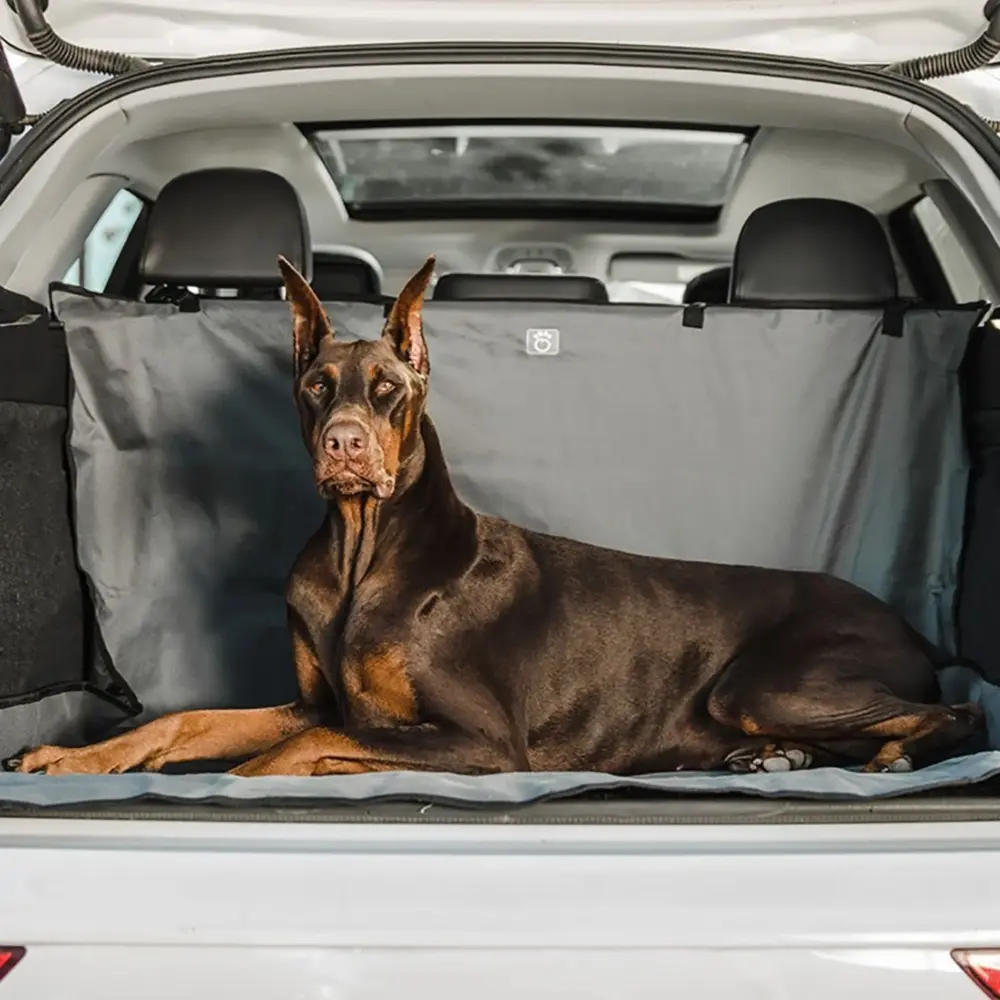
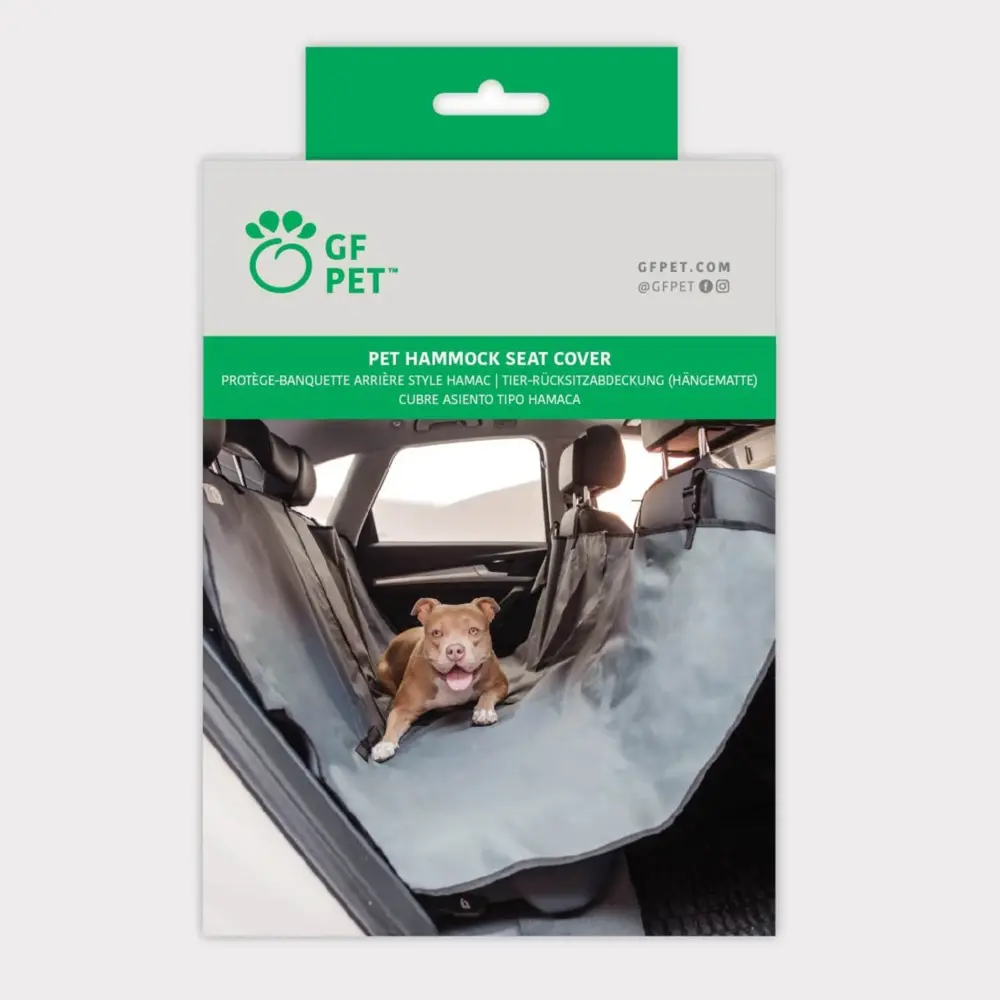
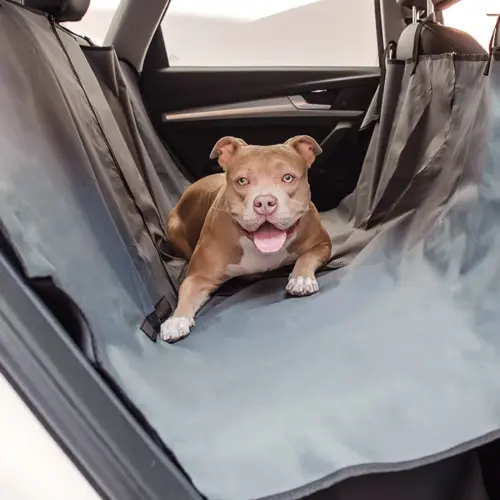
Why it fits: Covers the back seat for a big dog on a drive of several days; waterproof, 58 x 57 in, with seat belt openings. A cover, not a restraint.


More carriers and car gear are in travel and car accessories.
Related guides
-
Comparison
Cargo Liner vs Back Seat Cover: Where Should Your Dog Ride?
Where your dog rides decides which cover you need, and the two are not interchangeable. This comparison covers coverage, fitting, belt slits and cleaning, and is clear about what a cover does not do.
-
Comparison
Back Seat or Cargo Area: Where Should Your Dog Ride in an SUV?
The back seat is the simpler setup for a dog in an SUV; the cargo area needs a strapped-down crate or a fitted barrier first. Compare the two spots, plus third rows, folded seats and captain's chairs, heat at the back, getting in and out, and measuring for a hammock.
-
Comparison
Crate or Seat Belt Tether: How Should Your Dog Ride in the Car?
A secured crate suits a dog who's already happy in one; a harness and short seat belt tether suits most other dogs on everyday drives. Compare fit in the car, strapping a crate down, heat and airflow, nervous riders, big dogs and two-dog trips, and what safety groups say about which is safer.