Grooming & Shedding How-to
How to Get Tree Sap or Pine Pitch Out of Dog Fur Safely
Short answer
Work a few drops of kitchen oil, such as olive or vegetable oil, into the sap, whether it’s in the coat or between the toes. After a few minutes, ease the softened sap off with your fingers and a wide-toothed comb, then wash the oil out with dog shampoo. Never use paint thinner, nail polish remover or other solvents.

What loosens sap, and what never to use
Most of the sticky stuff dogs bring home is resin, or pitch, from pines, spruces and firs. It oozes from damaged bark, stumps, cones and fresh firewood. It starts out soft and tacky, then firms up into a hard lump wrapped around every hair it touched, so the day it happens is the easiest day to get it out.
Resin doesn’t dissolve in water, so a bath on its own won’t shift it. A little oil will usually soften it, and the safest kind is one your dog can lick without harm. The AKC’s guide to getting sap out of dog fur names vegetable and olive oil as the usual choices, and other plain kitchen oils, such as sunflower or coconut, work on the same idea. Smooth peanut butter works too but is messier, and the FDA’s xylitol warning says to check the label first, since some peanut and nut butters contain xylitol.
Safety note
Never put solvents on a dog: paint thinner, mineral spirits, turpentine, gasoline, kerosene, nail polish remover, rubbing alcohol, hand sanitizer or household sap and adhesive removers. The AKC advises steering clear of solvents, chemical detergents, petroleum products and alcohol, and Pet Poison Helpline notes that hydrocarbons such as gasoline, kerosene and paint thinner can irritate the lips, coat and paws, and cause drooling and vomiting if swallowed.
That same hydrocarbon list includes mineral oil, the main ingredient in baby oil, which is why this guide sticks to kitchen oils. Leave out essential oils too, tea tree oil included: the Merck Veterinary Manual says tea tree oil has been the most commonly reported essential oil in pet poisonings.
Find all of it: coat, paws, ears and tail
Sap is easier to feel than to see, especially in a dark or thick coat. Run your hands slowly over your dog from nose to tail before you start, and note every tacky patch, so you aren’t finding new ones halfway through.
- Paws: between the toes and around the pads, where sap gathers grit and where most dogs start chewing.
- Chest, belly and legs: whatever brushed past trunks, stumps and woodpiles.
- Ears and face: the outer ear flaps, muzzle, lips and whiskers, especially after chewing a pinecone or a sticky stick.
- Tail and feathering: long hair that catches drips and glues itself together.
- Collar and harness: sap on the webbing presses straight back into clean fur, so check the gear too.
Pick out any burrs first, using our guide to getting burrs out of dog fur. If the lips or gums are sticky, or your dog is drooling or pawing at the face, go to the last section before anything else.
How to get tree sap out of dog fur, step by step
Work on a dry coat, one patch at a time. A single sticky spot takes a few minutes; a dog who rolled in a woodpile may need two or three short sessions.
What you need
- A kitchen oil: vegetable, olive, sunflower or coconut, not baby oil or mineral oil
- Paper towels, plus an old towel for your dog to stand on
- A wide-toothed metal comb (we don’t sell combs) and a slicker brush
- A soft toothbrush or cotton pads for between the toes
- Dog shampoo, lukewarm water and dry towels
- Small blunt-tipped scissors, only for the tip trims described below
- Small treats, and a helper if you can get one
- Set up where oil can’t ruin anything. Stand your dog on an old towel in good light, away from rugs and upholstery, with a helper feeding treats.
- Pick off the debris. Lift out needles, bark and grit stuck to the sap. Anything that crumbles away easily can go now.
- Pinch the hair close to the skin. Hold the hair between the sap and your dog’s body, so any pull lands on your fingers, not the skin. Keep that grip throughout.
- Work in a little oil. Massage a few drops into the sap with your fingertips until it’s coated on every side, adding more a drop at a time. Keep oil away from the eyes.
- Wait a few minutes. Let the oil soak in while your helper stops any licking. The sap should turn soft and smeary; an old lump may need a second round.
- Slide the sap toward the tips. Squeeze the softened sap between thumb and finger and draw it down and off the hair, wiping your fingers on a paper towel after each pass.
- Comb, then brush. Comb out the last smears from the tips toward your fingers, then lift strands still stuck together with a slicker brush in light, short strokes.
- Wash the oil out today. Follow the washing steps below, dry the area fully, check the skin for redness and reward your dog.
Tip
Keep the slicker light, so the pins glide over the skin; our guide to using a slicker brush without scratching the skin covers grip and pressure. Afterward, wipe the pins with an oily paper towel, then wash the brush in warm, soapy water and let it dry, or the next brushing spreads residue through a clean coat.
Nothing we sell dissolves sap; your kitchen oil does that part. These two products help with the brush-out and the paw rinse, and our picks are limited to Nilosi’s own catalog. See all our grooming tools.
-
Sakabase
Curved Slicker Brush, View product
$39.95
Why it fits: Separates the last stuck-together strands once the sap is off; its curved head and fine, firm pins suit medium to long coats.
-
Bark Fifth Avenue
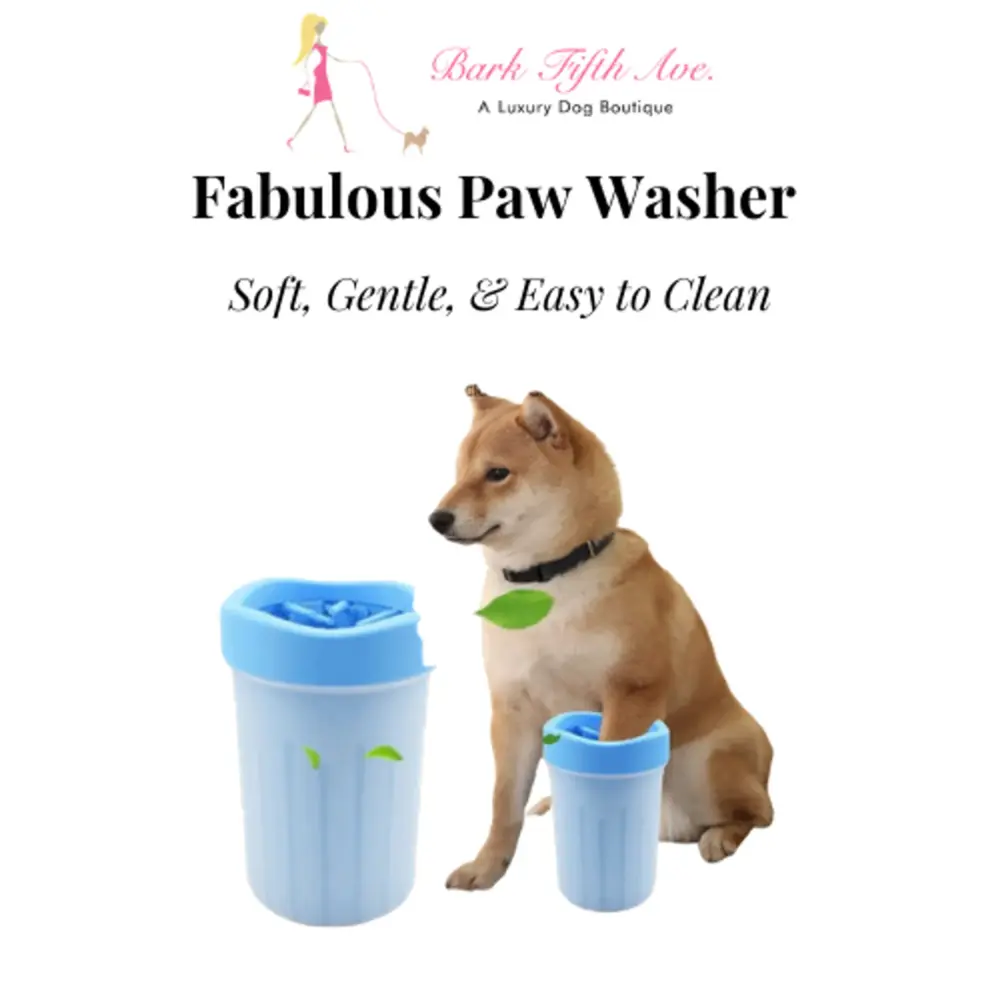
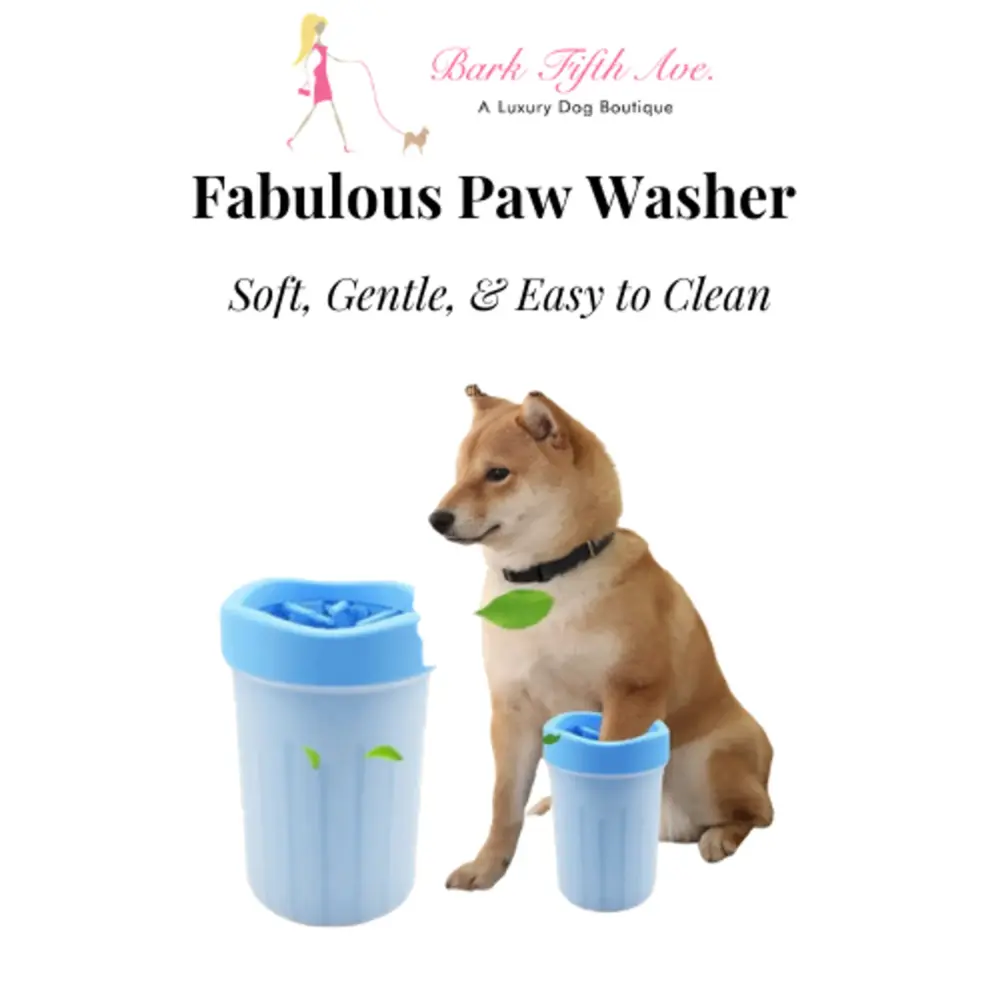
Fabulous Paws Dog Paw Cleaner Cup, Choose size & color
$31.95
Why it fits: Holds the rinse water while you wash oil out of each paw; its soft silicone bristles work between the pads as you twist.


Mistakes to avoid
- Pulling off a hard lump. Set pitch rips out the hair it’s wrapped around, and the sting makes your dog wary of the next session.
- Bathing before softening. Water and shampoo barely touch hardened resin, so you end up with a wet dog and the same sticky patch.
- A hot hair dryer. Heat can burn the skin. If you use a dryer to soften old pitch, the AKC suggests the lowest setting, held at a safe distance, and only for a dog who tolerates it.
- Too much oil. A dripping coat is harder to wash out and more tempting to lick. Start with a few drops.
Sap between the toes and on the pads
Paws are usually where sap bothers a dog most. It glues the toe fur into stiff tufts, picks up grit with every step and invites chewing, which puts sap, and anything you’ve put on it, into your dog’s mouth. Do the feet first.
- Spread the toes gently and work a drop or two of oil into each sticky tuft, holding the fur at its base. The AKC suggests a soft toothbrush for getting oil between the toes and pads.
- Ease the softened sap out toward the tips of the fur, a little at a time.
- On the pad itself, smooth a little oil over the sap and wipe it away with a soft cloth. Don’t scrape or scrub the pad.
- Wash and dry each paw. Dip it in lukewarm water with a little dog shampoo, rinse in clean water, then press a towel between every toe until dry.
The paw cleaner cup in the picks above keeps that rinse water in one place. For the everyday door routine, see how to clean dog paws after a walk.
If sap keeps ending up between the toes, long paw fur is often why. Keeping it trimmed level with the pads, as our guide to getting snowballs out of dog fur describes for winter, leaves pitch less to grab, and steering around fresh stumps and woodpiles helps too. Call your veterinarian if a pad looks cracked, cut or swollen, or if your dog limps or won’t let you touch the foot.
Washing the oil out afterward
Oil left in the coat collects dirt, marks furniture and keeps your dog licking, so wash it out the same day.
- Spot-wash unless the sap was everywhere. Wet only the oily area with lukewarm water; a full bath is worth it only when sap and oil cover much of the coat.
- Lather with dog shampoo, then do it again. Rinse well after each lather, as the AKC advises, until the fur no longer feels slick. Skip dish soap and other household detergents.
- Dry fully. Blot with a towel rather than rubbing, and let a long coat dry completely before you brush it again.
- Clean the gear. Treat sap on a collar or harness the same way, oil then soapy water, after checking its care instructions.
For a small patch on a day that isn’t a bath day, a damp washcloth with a little dog shampoo, a clean wet cloth and a dry towel usually do it; our guide to cleaning a dog without a bath covers spot cleaning. If your dog has a skin condition, ask your veterinarian which shampoo to use.
Troubleshooting stubborn sap
The lump is rock hard
Old pitch can take more than one round. Add a few more drops, give it longer, and peel softened layers away from the edges inward. If it still won’t move after ten minutes or so, stop and try again later rather than tugging.
Sap has glued a tangle together
Sap left for a day or two often binds the hair around it into a mat. Remove the sap, wash out the oil and let the coat dry, then treat what’s left as an ordinary tangle with our guide to getting mats out of dog hair. A mat tight to the skin is a groomer’s job.
The fur still feels tacky after washing
A thin film of sap is left. Work a drop of oil into that spot, wipe it off with a paper towel and wash once more.
Your dog won’t stop licking
Wash the oil out sooner, and keep your dog busy with a chew while the spot dries. Licking that carries on once the area is clean and dry, or skin that looks red, is worth a call to your veterinarian.
When to trim, and when to let a groomer do it
Trim only as a last resort, and only where sap sits well away from the skin. For a hard clump near the tips of long hair, such as feathering or a tail, slide a comb between the clump and the skin and snip on the far side of the comb with blunt-tipped scissors. If you can’t see clear space between the skin and where you’d cut, don’t cut.
Book a groomer, who can clip the patch out safely, or ask your veterinarian, when:
- The sap is stuck at the skin and won’t soften after a couple of tries.
- It covers a large area, or has set into a solid mat.
- It’s near the eyes, inside the ear, around the genitals or under the tail.
- It’s packed deep between the pads, or your dog is too uncomfortable to keep still.
Tell the groomer what’s in the coat, including any oil or product you’ve already tried.
If your dog licked sap or a product: who to call
The AKC describes pine sap as mildly toxic, and swallowing it can bring on stomach upset, vomiting or drooling. Call your veterinarian or an animal poison control line if your dog chewed or swallowed sap, a sticky pinecone or a resin-coated stick, licked off any product other than a little kitchen oil, or if a solvent has already touched the skin. Have the product’s container with you when you call.
- ASPCA Animal Poison Control Center: (888) 426-4435, available 24/7; a consultation fee may apply.
- Pet Poison Helpline: (855) 764-7661, available 24/7; a per-incident fee applies.
Safety note
If paint thinner, turpentine, gasoline or another solvent has already gone on, call right away. The Merck Veterinary Manual describes washing petroleum products off the skin with soap or a mild detergent and plenty of cool water, without brushing or scrubbing, so ask whether to start that while you wait. Don’t try to make your dog vomit unless a veterinarian tells you to.
Get veterinary help straight away for drooling, vomiting, coughing or labored breathing; Pet Poison Helpline explains that hydrocarbons can get into the airway as they are swallowed and inflame the lungs. The same goes for red, blistered or broken skin where sap or a product sat. If sap is in or right next to an eye, or your dog is squinting or pawing at the face, don’t put oil near the eye; call your veterinarian.
Related guides
-
How-to
How to Get Snowballs Out of Dog Fur and Paws, and Stop Them Forming
Pulling ice balls off your dog’s paws hurts. Melt them with lukewarm water, dry between every toe and brush the feathering once it’s dry. See why some coats collect snow, how trimming paw fur and keeping nails short help, and the frostbite signs that need a veterinarian.
-
How-to
How to Clean Up a Dog After Swimming in a Lake, Pool or the Ocean
A fresh-water rinse after every swim, step by step, plus what the ocean, a lake and a pool each leave in the coat, how to dry ears, skin folds and a dense double coat, and the signs after a swim that need a veterinarian.
-
How-to
How to Bathe a Dog That Hates Baths: Setup, Steps and Drying
For the dog who scrabbles, shakes or bolts at bath time: brush out tangles first, make the tub steady underfoot, keep a lick mat in reach, wash the face last, skip the dryer battle and build tolerance between baths, plus what to do when a bath still goes wrong.