Walking & Training Guide
Apartment Dog Etiquette: Hallways, Elevators, Lobbies and Noise
Short answer
In hallways, lobbies and elevators, keep your dog on a short leash at your side, with you between your dog and passing neighbors, and let others go first. Ask before boarding an occupied elevator, or wait for the next one. At home, keep the noise down: barking, late zoomies and clicking nails carry through walls and floors.
Hallways and doorways: short leash, you in between
A building hallway is narrow, lined with doors that open without warning and shared with people carrying groceries, pushing strollers or simply not keen on dogs. Treat it as a corridor you pass through, and start before you open your own door.
Leaving your apartment
- Clip the leash on inside, before you reach for the door handle.
- Ask for a sit or a wait while you open the door, and look down the hallway before your dog steps out.
- If a neighbor is passing, let them go by, then release your dog with a word such as “okay.”
- Step out together and lock up with the leash still in your hand, not dropped while you hunt for keys.
If your dog bolts the moment the door opens, teach a threshold wait at home before you rely on it in the hall. Our guide on how to stop a dog darting out the door builds it step by step, and adds a go-to-your-bed routine for knocks and deliveries.
Passing neighbors in the hall
- Hold the leash short, with your dog right beside you and yourself on the side where people pass. A plain fixed-length leash beats a retractable here, since an extended cord can stretch across the whole hallway or trip a neighbor.
- Keep noses off other people’s things. Doormats, door frames, delivered packages and strollers parked outside a unit are off-limits. A dog who lingers to sniff a corner may lift a leg on it next.
- Slow down at blind corners and by the elevator bank, where you’re most likely to meet someone face to face.
- Make room, and let them start the hello. Step into a door alcove or against the wall and ask for a sit until people pass. Some neighbors are afraid of dogs or allergic, and a hallway leaves them nowhere to go.
- Take stairs one step at a time, with your dog at your side and a hand on the rail. A dog charging down a stairwell can pull you off your feet.
Tip
Hang the leash on a hook just inside the door, and keep a collar with a current ID tag on your dog at home. If the fire alarm sounds, you’ll be taking the stairs, not the elevator, with no time to hunt for gear.
Elevators: when to wait, ask or carry
An elevator puts your dog within inches of people who can’t step away, and some of them are allergic to dogs or afraid of them. The AKC’s guide to training a dog for city life suggests asking riders in an occupied car whether they mind a dog, having your dog sit beside you for the ride and using a “wait” cue to get on and off. Who is already inside decides the rest.
| Situation | What to do |
|---|---|
| Empty car | Step in together, dog to the back |
| A few riders | Ask first; wait if anyone hesitates |
| Full car | Wait for the next one |
| Another dog | Wait; no greetings in a closed box |
| Cart, stroller | Let them ride; take the next car |
| Your small dog | Pick up before the doors open |
- Where to stand. Tuck your dog into a back corner with your legs between them and the other riders. A large dog facing the wall can’t stare at or sniff the person beside you.
- When the doors open. People waiting on other floors can’t see your dog until the doors part, so keep your dog sitting and offer to wait if someone looks unsure. At your floor, check who is outside, then say your release word and step off together.
- The leash. Gather it so nothing trails across the threshold, and never let the doors close with you on one side and your dog on the other.
For small dogs, lifting is often the simplest answer in a busy car. Our guide on when to pick up a small dog covers the two-handed hold, a pick-up cue and why a leash caught in elevator doors is so dangerous.
Some buildings ask residents to use a service elevator with pets, so check yours. And if your dog barks or lunges at people or dogs up close, an elevator is the hardest place to practice: ride only empty cars, use the stairs if your building allows it, and work on it with a reward-based trainer.
Lobbies, mail rooms and building pet rules
The lobby is where you meet the most people: neighbors, staff, delivery drivers and visitors who don’t live with dogs. Cross it at a steady walk with your dog at your side.
- Keep moving. If you’re waiting for a ride, wait outside, or with your dog sitting beside you well away from the door and the front desk. Staff are working, so let them start any hello.
- Skip the planters, furniture legs and corners. VCA’s page on marking behavior notes that upright objects such as plants and furniture corners can set off marking, and that dogs are drawn to spots other dogs have marked. A lobby has plenty of both.
- Mail and package rooms. Keep your dog away from other people’s boxes, and if the room is cramped or busy, collect your mail without your dog.
- Wet days. Towel off on the entrance mat before your dog crosses a clean lobby floor.
- Puppies who can’t wait. A young puppy may not make it from the elevator to the front door, so carry a small one all the way outside.
If an accident happens anyway, deal with it on the spot. Blot urine with paper towels and use an enzymatic pet-odor cleaner, as Humane World for Animals’ guide to removing pet stains and odors recommends; it also advises against ammonia and vinegar, whose strong smells may encourage a dog to mark the spot again. Then tell the front desk or management so they can finish the job.
Read your building’s pet rules
Your lease, any pet addendum and the house rules come before anything on this page, and they vary from one building to the next. Look for:
- Where dogs may not go, such as the gym, pool, roof deck or play area
- Which elevator and entrance to use, and whether small dogs must be carried
- Leash rules for common areas, and whether there’s a designated relief area
- Whether your dog must be registered with management
- Quiet hours and noise rules
- Where full poop bags go; our guide on how to dispose of dog poop in an apartment covers trash rooms, chutes and outdoor bins
Past the front door, the sidewalk has its own manners: greetings, lawns and picking up are in dog walking etiquette, and crowds, curbs and potty spots in walking a dog in the city.
Barking: the sounds that carry through walls
In a house, a bark at the mail carrier mostly bothers you. In an apartment it reaches the people beside, above and below you, and VCA’s guide to barking in dogs notes that even a little barking can upset neighbors in apartments and townhouses. Apartment barking tends to fall into three kinds, and each needs a different fix.
Alert barking at hallway sounds
Footsteps, the elevator chime, a neighbor’s door, a delivery knock. VCA suggests keeping your dog away from the front door and windows and masking outside sounds with music, the TV or a white-noise machine. Move the dog bed away from the front door and any shared wall, and when someone knocks, send your dog to that bed and reward them there.
When you’re home, reward your dog for noticing footsteps and staying quiet. If they bark, call them away from the door in a calm voice. The ASPCA’s page on barking recommends teaching a “Quiet” cue without shouting, and warns that punishment may stop the noise while leaving your dog just as keen to guard the door.
Demand barking aimed at you
Barking for dinner, a ball or attention is learned, and in an apartment it’s tempting to give in just to stop it. VCA’s advice is never to reward barking with attention of any kind, even occasionally. Wait for a few seconds of quiet, then respond; one reply on a tired evening teaches your dog that barking longer works.
Barking while you’re out
You may not know this happens until a neighbor tells you, so record the first half hour after you leave with a phone or pet camera. The ASPCA lists barking or howling when left alone among the signs of separation anxiety, along with destructive chewing, indoor accidents and escape attempts. For mild cases it suggests a food-stuffed puzzle toy offered only when you leave; more serious cases need professional help, and scolding only adds to the distress.
Safety note
If barking starts suddenly, or comes with pacing, accidents or destruction while you’re out, call your veterinarian before treating it as a training problem. Pain, illness and anxiety each need different help, and your vet can refer you to a veterinary behaviorist.
Quiet hours: zoomies, play and late-night trips
Many leases and house rules set quiet hours, usually overnight. Even where none are written down, the people below you are trying to sleep, and your dog’s evening routine is one of the easier things to adjust.
- Exercise earlier. A longer walk or a sniffy outing in the late afternoon, then calm jobs after dinner such as a chew or a lick mat, leaves less energy for 11 p.m.
- Expect the zoomies. Many dogs have a burst of racing laps after a bath or in the evening. Let it happen on a rug, or turn it into a short game of tug, rather than a sprint across bare floor.
- Keep balls on the rug. A ball bouncing off hardwood, or fetch down your hallway, sounds like hammering downstairs. Offer soft toys in the evening and put the squeakers away.
- Quiet the bowls. A rubber mat under the food and water bowls stops them sliding and clanging.
- Keep late potty trips low-key: no chatting in the hallway, and close your door gently.
Nail clicks and thumps on the floor below
Your downstairs neighbors hear what your dog’s feet do. VCA’s guide to trimming a dog’s nails at home calls nails you can hear clicking on hard floors a clear sign they’re too long, and says most dogs need a trim about once a month. Our guide to how long a dog’s nails should be has the standing check and a schedule by lifestyle.
A grinder suits frequent touch-ups because it takes the nail down a little at a time. Our quiet rechargeable nail grinder has two speeds and charges by USB.
- Rugs on the busy routes. Runners and area rugs where your dog walks and turns most, such as from bed to water bowl or along the path to the door, soften clicks and thumps. A non-slip pad keeps them in place. Some leases require rugs over much of the floor, so check yours.
- Fewer big jumps. A dog leaping off a high bed or couch lands with a thud below; dog steps or a ramp cut the drop.
If a neighbor brings up a problem
A neighbor who comes to you directly is giving you the chance to fix things before management gets involved, and how you respond shapes every hallway encounter after that.
- Listen and thank them. It took some nerve to knock on your door.
- Ask what they hear and when. The answer tells you whether it’s alert barking, barking while you’re out, evening zoomies or nails on a bare floor.
- Share your plan, such as white noise by the door, a hallway rug, an earlier walk or a trainer.
- Swap numbers so they can text you if it happens while you’re out, and check back in a week or two.
Gear that helps in a shared building
Habits do most of the work here, but two things from our shelves make them easier to keep. Both come from Nilosi’s own catalog, so this is a short list rather than a survey of the market, and a well-fitted harness or a grinder you already own will do the same job.
-
Mr. Peanut’s
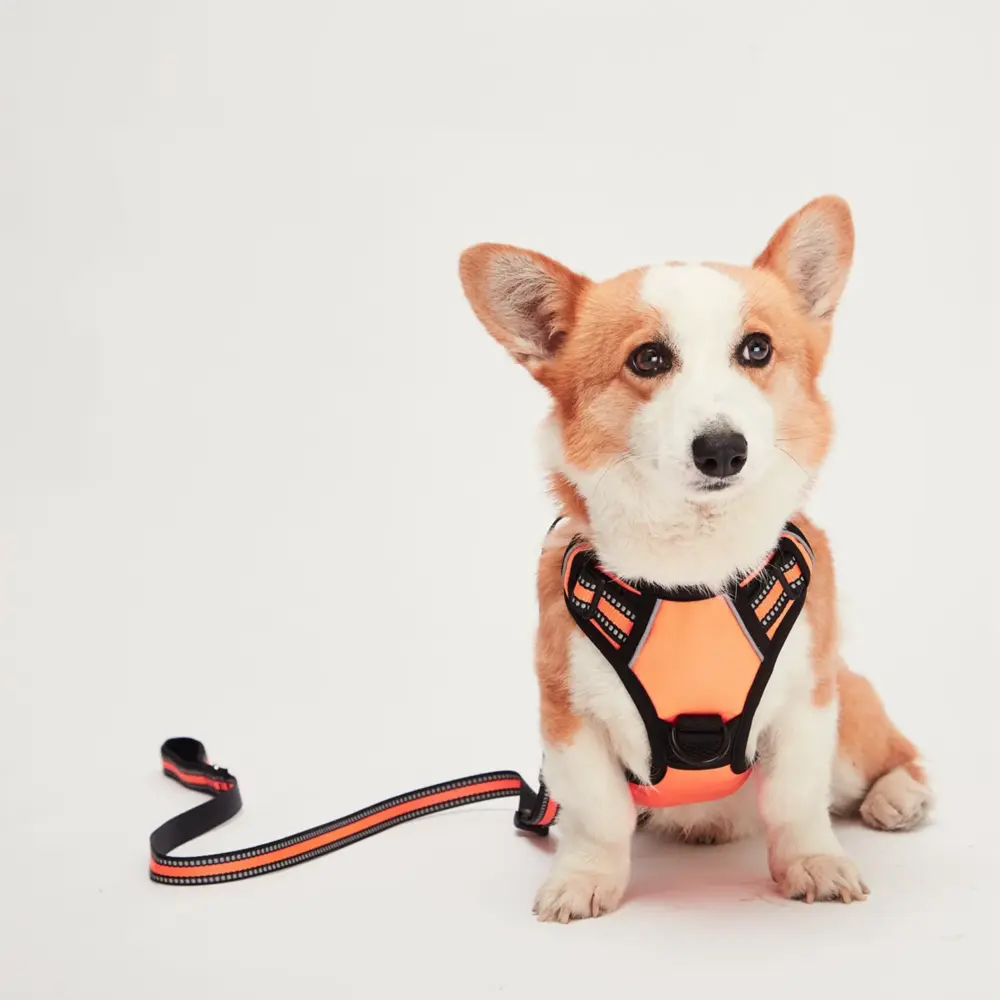
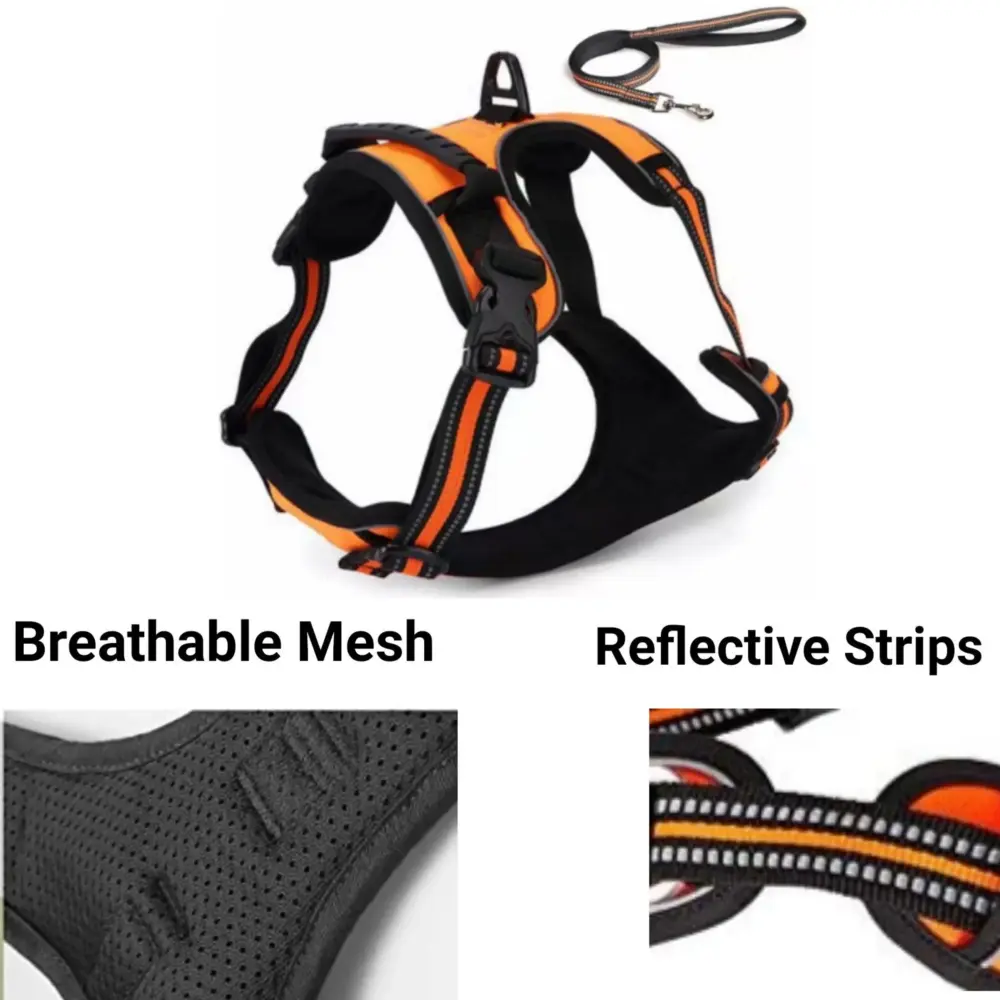
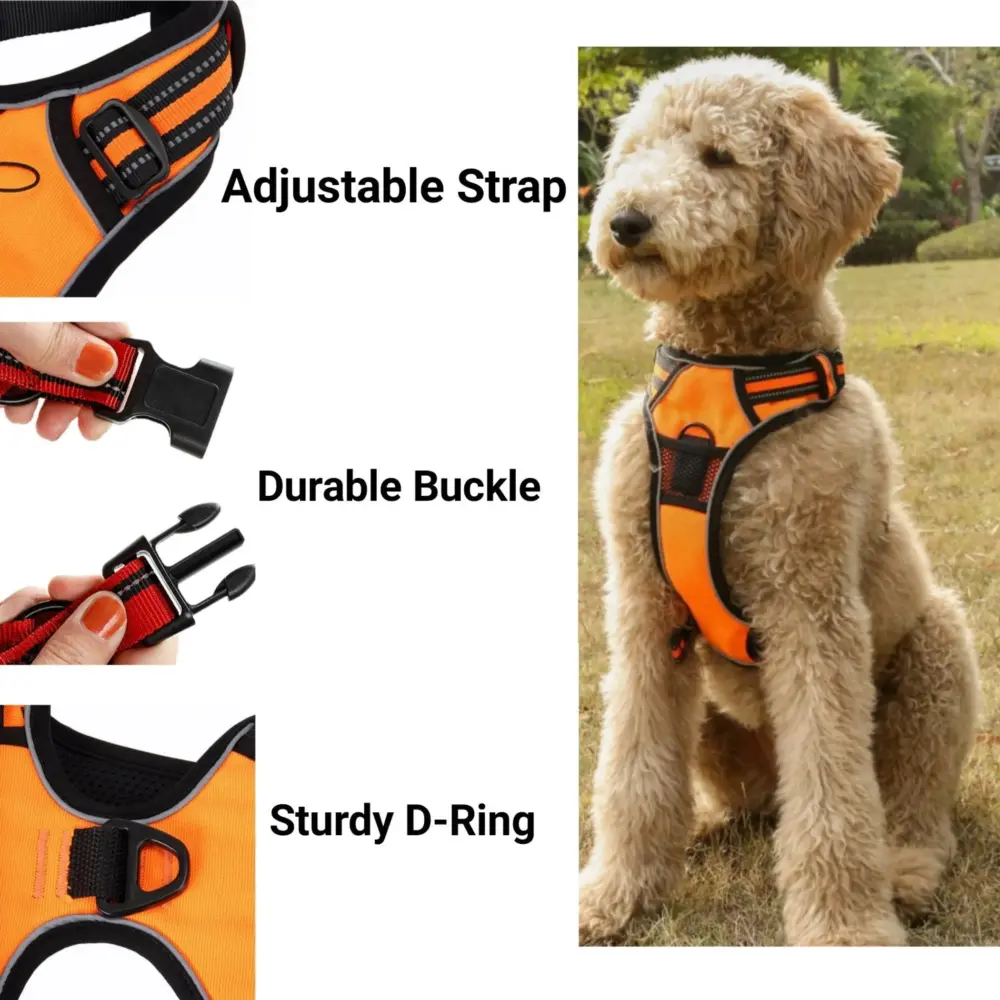
PetTrek Padded Harness and Leash Set, Choose size & color
Price range: $24.95 through $26.95
Why it fits: A harness and matching leash to clip on inside your door, with padding that spreads pressure across the chest if your dog lunges.
-
Quiet Rechargeable Pet Nail Grinder, View product
$50.95
Why it fits: Keeps nails short enough to click less on hard floors, grinding a little at a time with a quiet motor that bothers nervous dogs less.


Related guides
-
Guide
When Is a Dog a Senior? Ages by Size, Aging Signs and What to Change
Dogs count as senior in roughly the last quarter of their expected lifespan, which comes years sooner for a Great Dane than a Chihuahua. See senior ages by size, how to work out your own dog's, the physical and memory changes to tell your vet about, and what to adjust at home.
-
Guide
Walking a Dog in the City: Crowds, Crossings, Hazards and Potty Spots
Busy city sidewalks need their own habits. Learn how to keep your dog close in a crowd, teach a sit at every curb, pass doorways safely, spot glass, bones and rat bait before your dog does, and find a potty spot when grass is scarce.
-
Guide
How Long Should You Walk Your Dog? By Age, Size and Energy
Most healthy adult dogs do well with about 30 minutes of walking a day in total, split over two walks, and high-energy breeds need a lot more. See how age, energy, size and health change the answer, the five-minutes-per-month guide for puppies, signs a walk is too long or too short, and how to build up safely.